Wholesale Food Packaging: Sauce Bottles, Plastic Jars and Food-Grade Jerrycans
When choosing packaging for food products, it is not enough to consider only the appearance of the bottle. The packaging must be suitable for the product to be filled, the cap must close properly, the container must retain its shape during transportation, and it must not adversely affect the characteristics of the food.
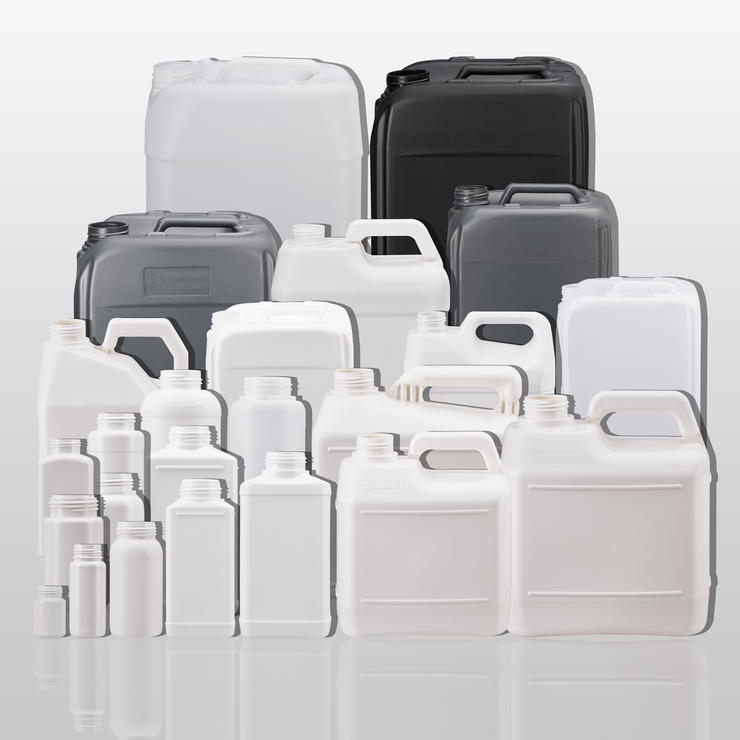
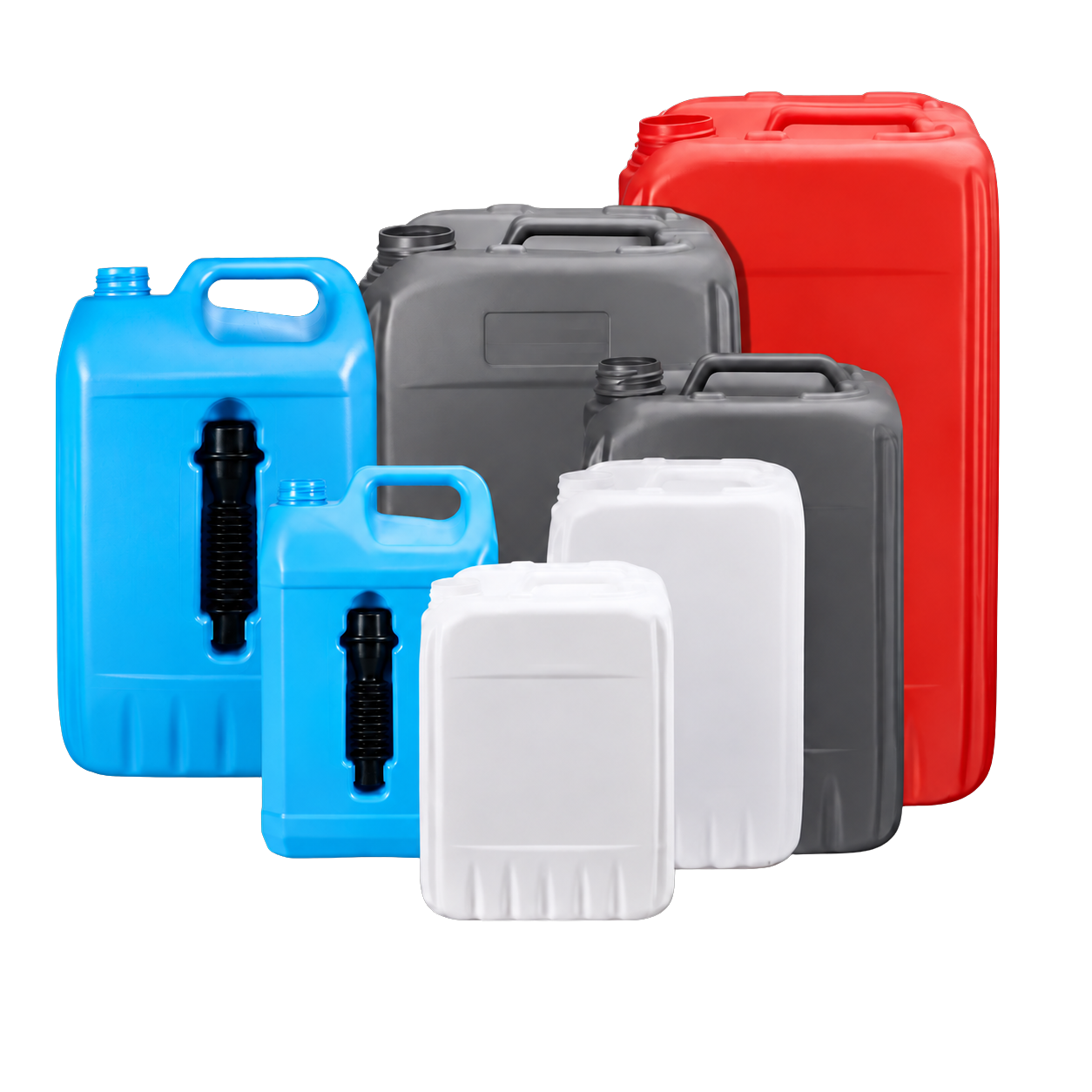
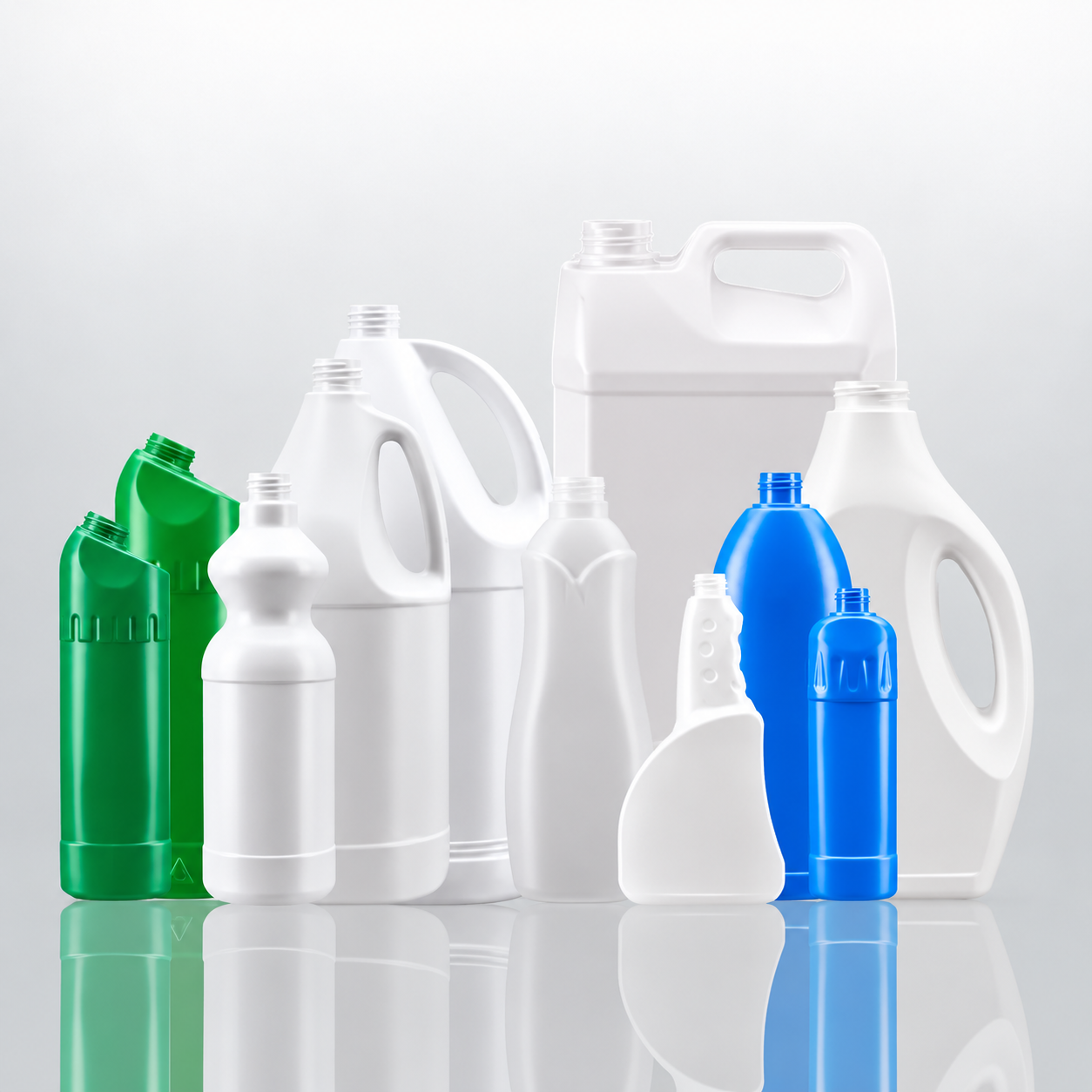
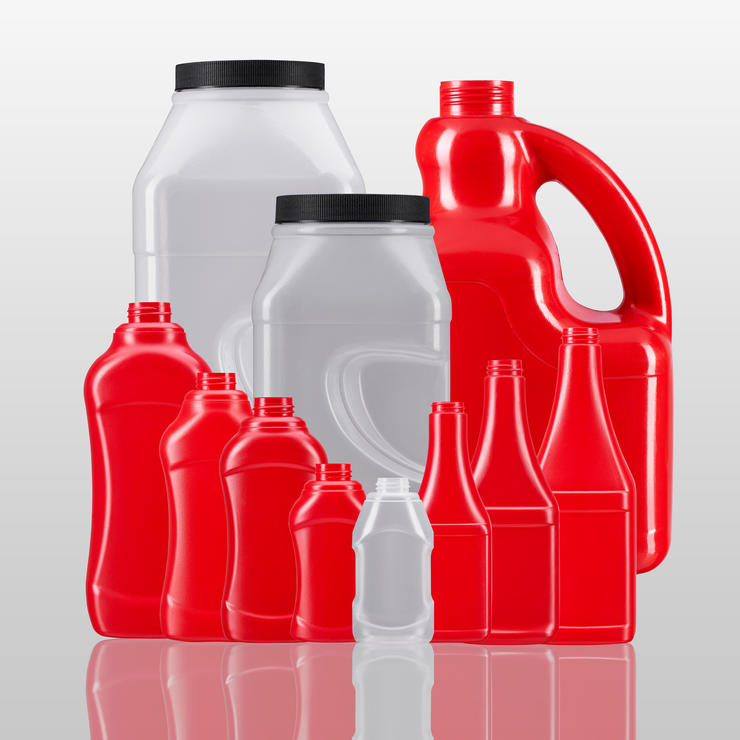
At Serdar Plastik, we manufacture plastic packaging for ketchup, mayonnaise, sauces, tomato paste, syrup and various liquid food products. Our product range includes top-down sauce bottles, standard sauce bottles, plastic jars, small-volume empty plastic bottles, and food-grade jerrycans ranging from 5 to 25 litres.
Not every food product has the same viscosity or filling method. A free-flowing sauce and a thick mayonnaise may not provide the same ease of use in the same bottle. Therefore, product viscosity, filling temperature, cap type, storage period and method of use should be evaluated together.
Before moving into mass production, it is important to perform a sample filling. This allows you to check how the bottle performs on the filling line, whether the cap provides a proper seal, whether the body retains its shape, and whether the product is compatible with the packaging.
Plastic Food Bottles and Sauce Packaging
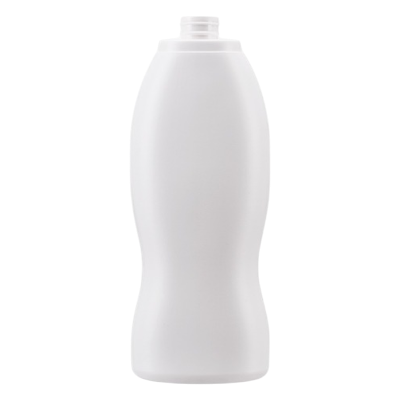
Plastic food bottles are packaging containers used for filling sauces, ketchup, mayonnaise and various liquid food products. The bottle should fit comfortably in the hand, stand securely on the shelf and be easy to use together with its cap.
When choosing wholesale food bottles, it is not correct to consider capacity alone. Two bottles with the same volume may have different base designs, body widths, neck diameters and label areas.
For businesses using automatic filling lines, bottle height and base dimensions are important. If the bottle is not suitable for the filling machine, it may jam on the line or tip over during filling. If the neck size does not match the cap, this may cause leakage or prevent the cap from closing properly.
For food packaging, the bottle and cap should be evaluated together. It is not enough for the bottle alone to be suitable. The cap design, sealing system and dispensing opening must also be suitable for the food product to be filled.
Top-Down Ketchup, Mayonnaise and Sauce Bottles
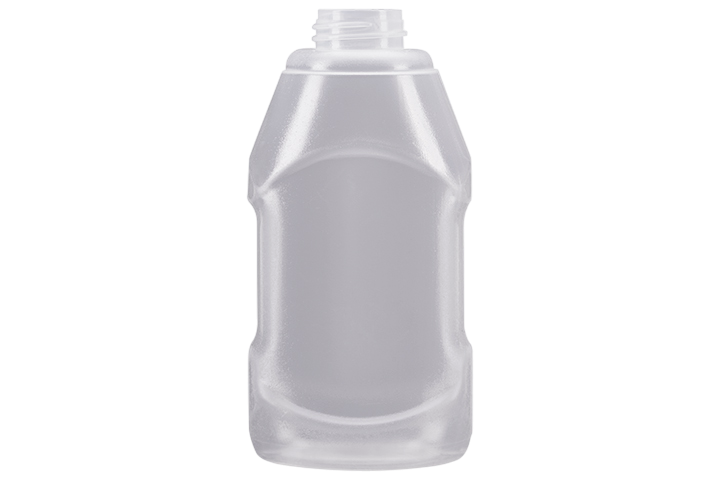
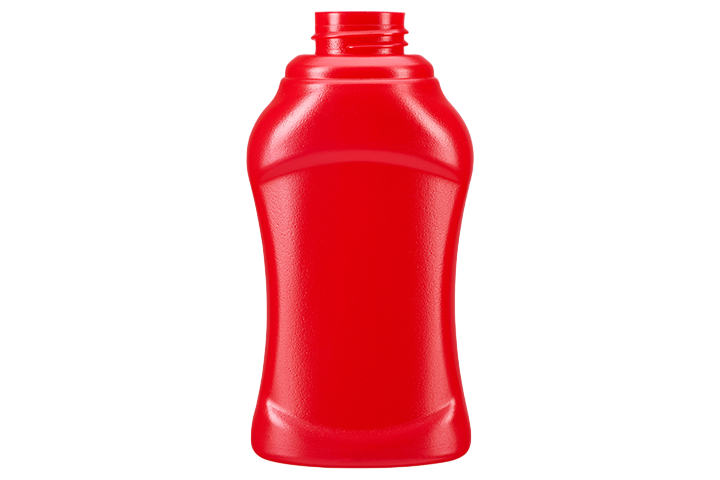
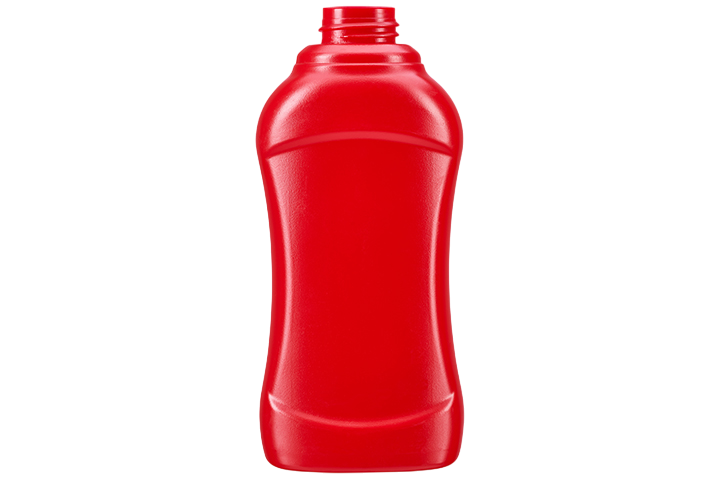
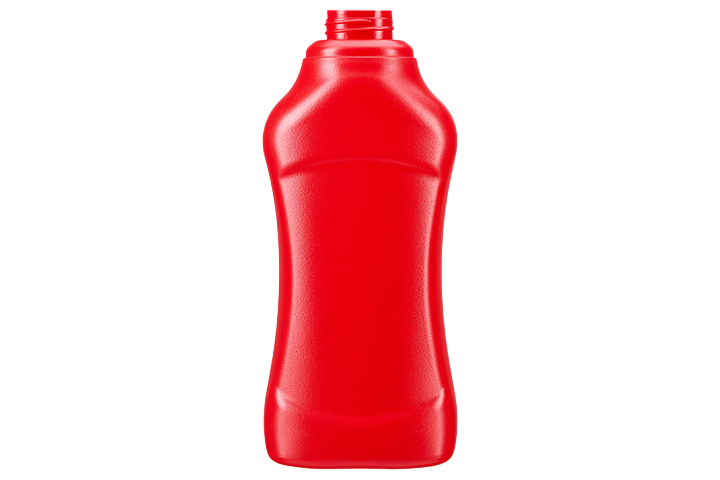
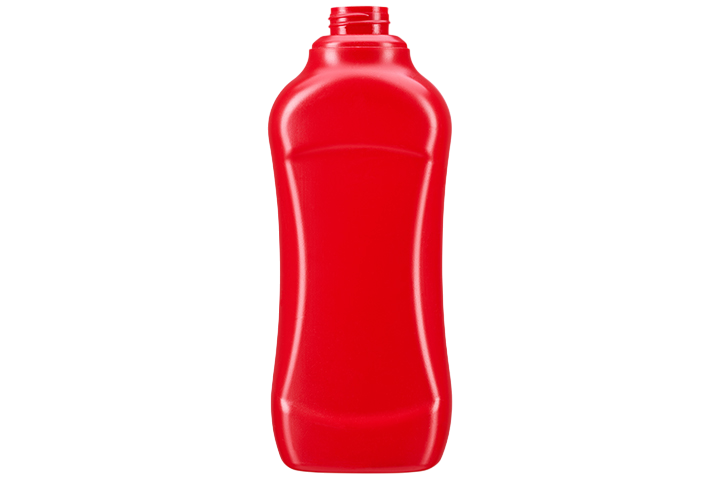
A top-down sauce bottle is a plastic food package designed to be used with the cap positioned at the bottom. This structure keeps the product close to the bottle opening and can provide ease of use, especially for ketchup, mayonnaise, mustard and thick sauces.
The Serdar Plastik product range includes top-down sauce bottles in different capacities:
- 365 ml New Top-Down Ketchup / Mayonnaise / Sauce Bottle
- 300 ml Top-Down Ketchup / Mayonnaise / Sauce Bottle
- 500 ml Top-Down Ketchup / Mayonnaise / Sauce Bottle
- 650 ml Top-Down Ketchup / Mayonnaise / Sauce Bottle
- 900 ml Top-Down Ketchup / Mayonnaise / Sauce Bottle
For smaller-volume products, 300 ml or 365 ml sauce bottles may be preferred. For family-size products or products consumed in larger quantities, 500 ml, 650 ml and 900 ml models can be considered.
In top-down bottles, the cap also acts as the base, so the cap design is especially important. Because the bottle stands on its cap on the shelf, the cap must provide stable support and prevent leakage.
How easily the product exits the bottle also depends on its viscosity. A very thick mayonnaise and a more fluid ketchup may not perform the same way through the same dispensing opening. For this reason, the size of the cap opening and the squeezability of the bottle should be tested with actual product samples.
If a label will be used, the shape of the bottle body should also be taken into account. Large labels can be difficult to apply smoothly on highly curved surfaces. If automatic labelling will be used, the bottle’s rotation and stability on the line should also be checked.
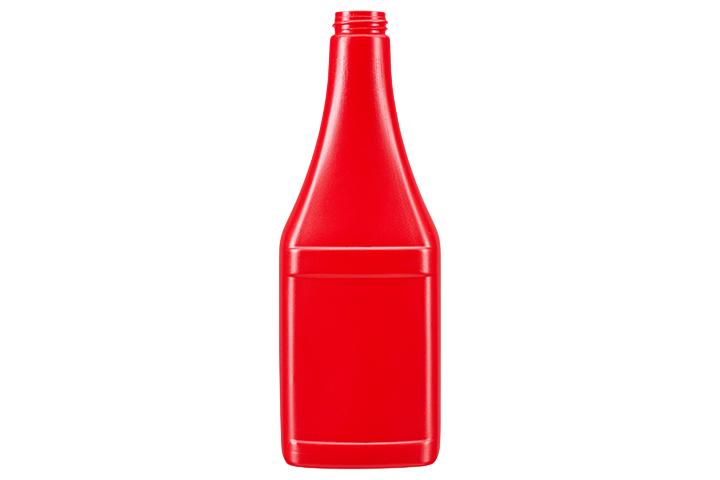
Standard Ketchup, Mayonnaise and Sauce Bottles
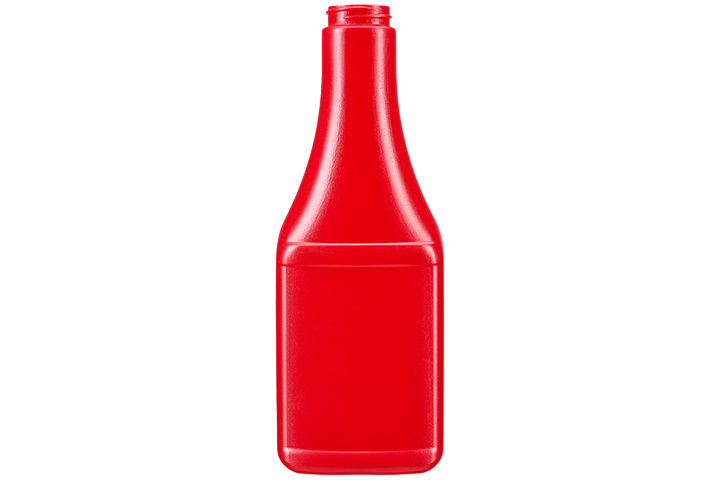
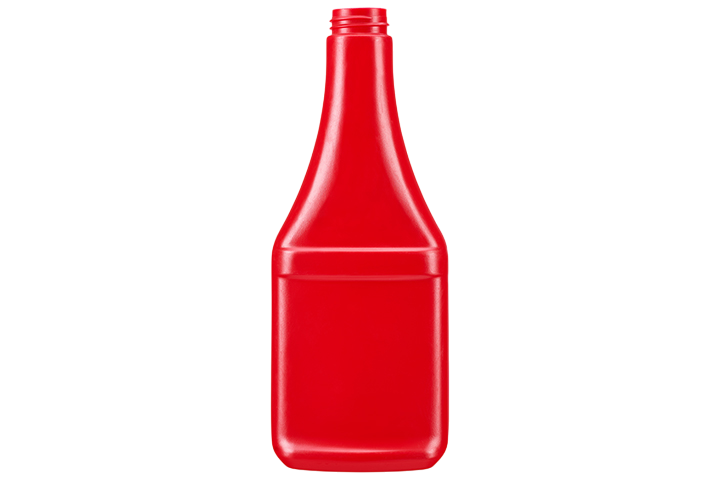
A standard sauce bottle is a traditional plastic food package used with the cap positioned at the top. It can be used for ketchup, mayonnaise, mustard, salad dressings and similar products.
The Serdar Plastik product range includes the following standard sauce bottles:
- 500 ml Standard Ketchup / Mayonnaise / Sauce Bottle
- 650 ml Standard Ketchup / Mayonnaise / Sauce Bottle
- 900 ml Standard Ketchup / Mayonnaise / Sauce Bottle
- 900 ml Eldo Ketchup / Mayonnaise / Sauce Bottle
- 850 ml New Ketchup / Mayonnaise / Sauce Bottle
With standard bottles, the bottle must be turned upside down for the product to flow towards the cap. Therefore, grip, squeezability and controlled dispensing are important.
500 ml and 650 ml models can be considered for household-size products. 850 ml and 900 ml models can be used for products sold in larger quantities.
The Eldo sauce bottle is a bottle with a distinctive body design known in the industry by this model name. When selecting the model, not only the name but also the bottle dimensions, label area and cap to be used should be considered.
For thick sauces, a squeezable body can make the product easier to use. A body that is too rigid may make dispensing difficult, while a bottle that is excessively soft may have difficulty retaining its shape during filling and transportation.
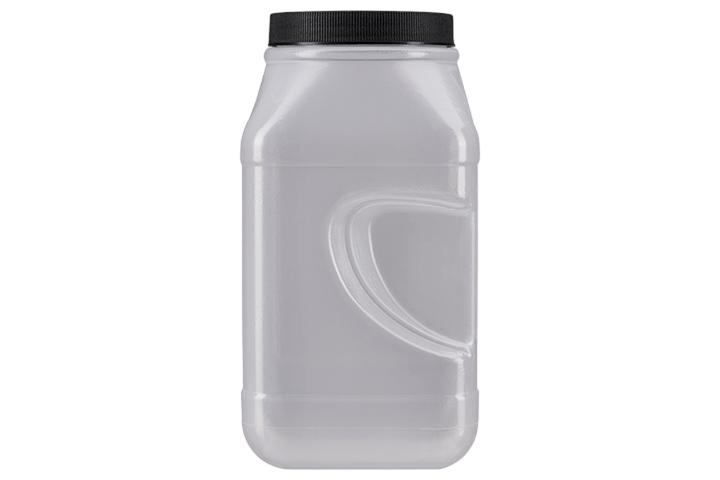
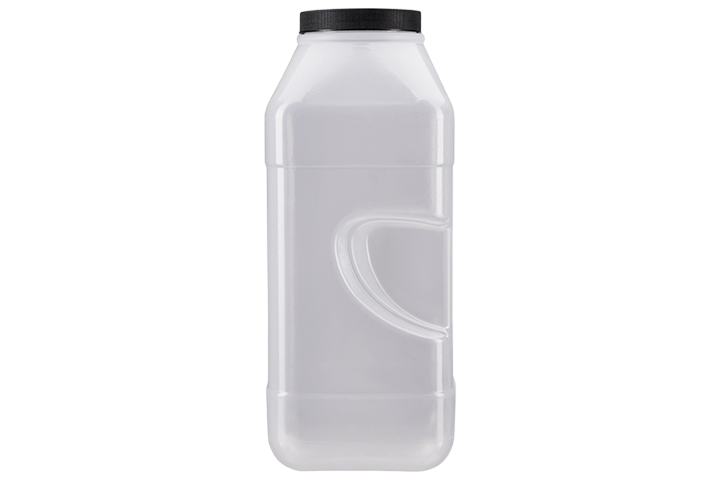
4 L Wholesale Sauce Bottle
The 4 L Wholesale Sauce Bottle is a large-capacity package that can be considered for ketchup, mayonnaise and other sauce products used in high quantities.
This type of packaging can be used in high-consumption environments such as restaurants, hotels, cafeterias, cafés, catering companies and industrial kitchens.
A filled 4-litre sauce bottle is significantly heavier than smaller bottles. Therefore, the body must retain its shape during handling and transportation. The grip design, cap sealing performance and controlled pouring of the product are important.
For thick products, the neck design should also be checked carefully. An opening that is too narrow may make filling and use difficult. If a wider opening is used, the cap should still allow the product to be dispensed in a controlled manner.
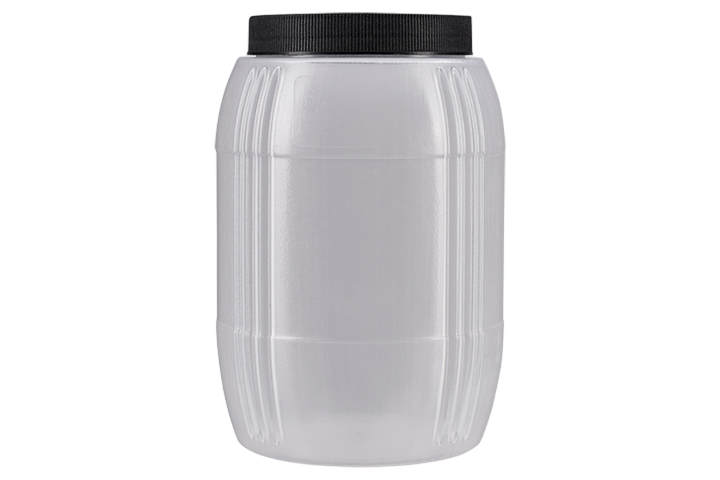
Plastic Food Jars
A plastic food jar is a wide-mouth package used for products that need to be filled and accessed easily. Depending on the product characteristics and filling conditions, it can be considered for sauces, tomato paste, pickles, olives and similar products.
The Serdar Plastik product range includes the following plastic jar models:
- 2 L Square Jar – Suitable for Pasteurisation
- 5 L Square Jar – Suitable for Pasteurisation
Wide-mouth jars can make filling easier. If the product will be taken out with a spoon or another utensil, the wide opening provides greater convenience for the user.
The flat surfaces of square jars can provide an advantage during label application. Their angular body design can also help make more efficient use of space during packing and shelf placement.
Even for jars described as suitable for pasteurisation, the actual filling temperature, product composition, process duration and cooling method should all be evaluated together. A package being suitable for pasteurisation does not mean that it will perform identically for every product and at every temperature.
Before placing a production order, a trial filling should be carried out using the actual product. After filling, the container should be checked for body deformation, cap loosening or leakage.
The jar cap must also be suitable for the filling process. If hot filling or pasteurisation will be applied, the cap and jar should be tested together.
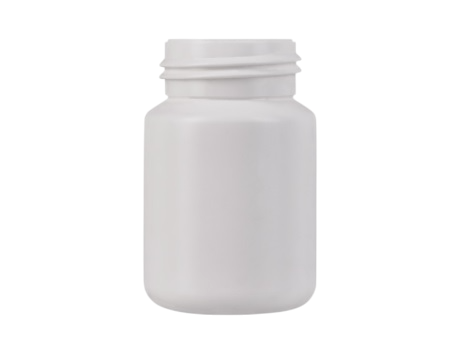
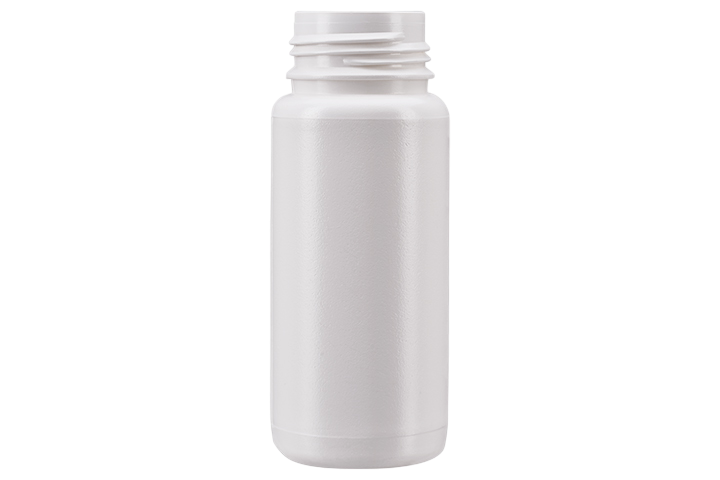
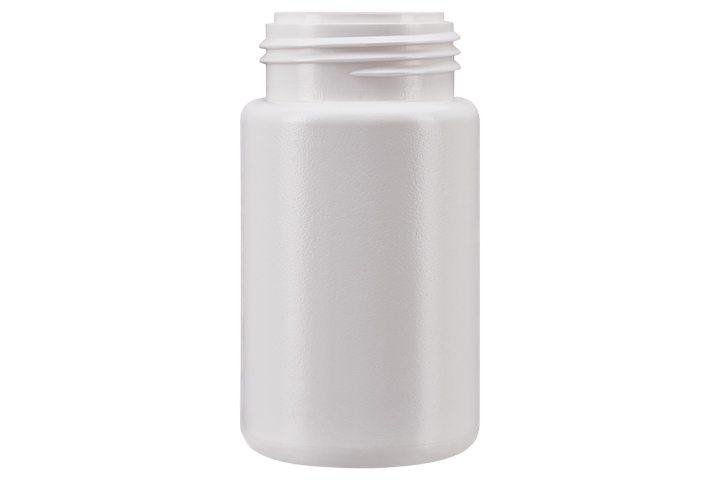
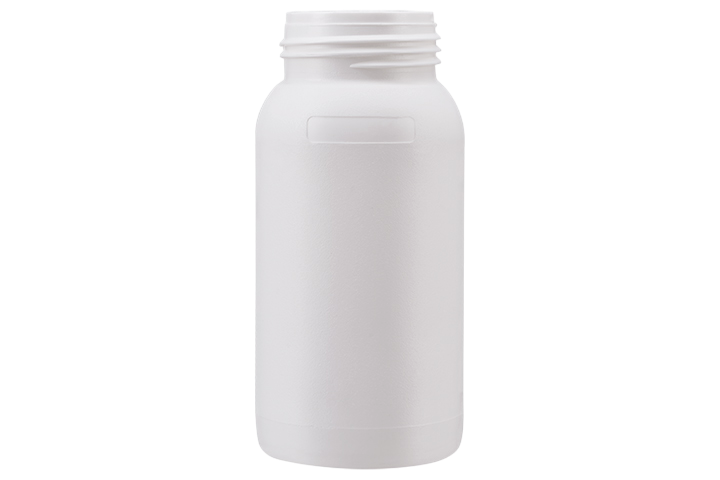
Small-Volume Round Food Bottles
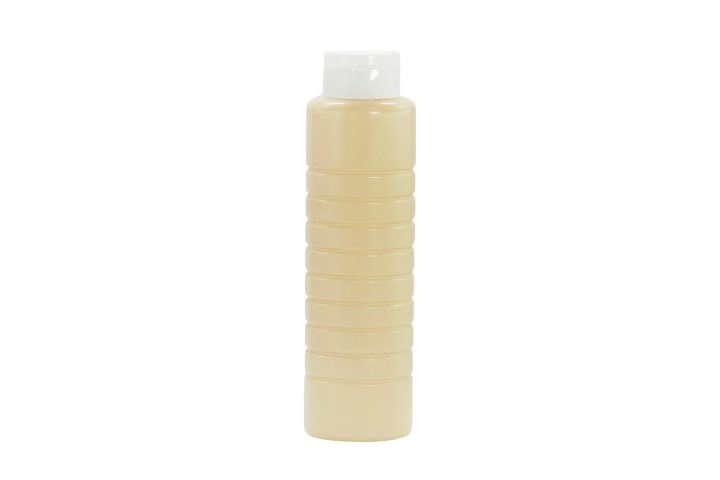
Small-volume round food bottles are plastic packages that can be considered for samples, flavourings, sauces and liquid food products used in small quantities.
The Serdar Plastik product range includes the following capacities:
- 50 ml Round Plastic Bottle for Food Products
- 100 ml Round Plastic Bottle for Food Products
- 200 ml Round Plastic Bottle for Food Products
- 250 ml Round Plastic Bottle for Food Products
For small bottles, neck size and cap selection are important. If the product is intended to be dispensed drop by drop, in a controlled flow or poured directly, a cap suitable for that method of use should be selected.
50 ml and 100 ml bottles can be considered for sample products or single-use portions. 200 ml and 250 ml models can be used for liquid food products offered in larger quantities.
Label space may be limited on small-volume bottles. The flat surface dimensions of the bottle should be checked in advance to ensure that the product name, ingredients, barcode and legally required information can fit on the label.
For automated filling projects, the stability of small bottles on the line is also important. A bottle with a narrow base may tip over on a high-speed filling line.
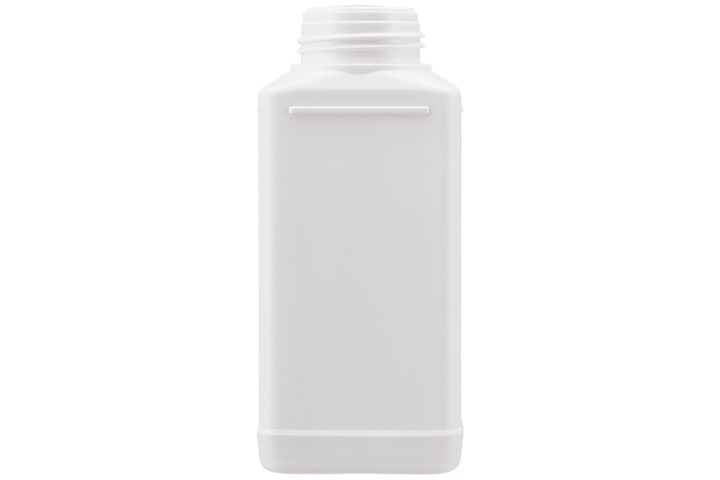
Square Plastic Food Bottles
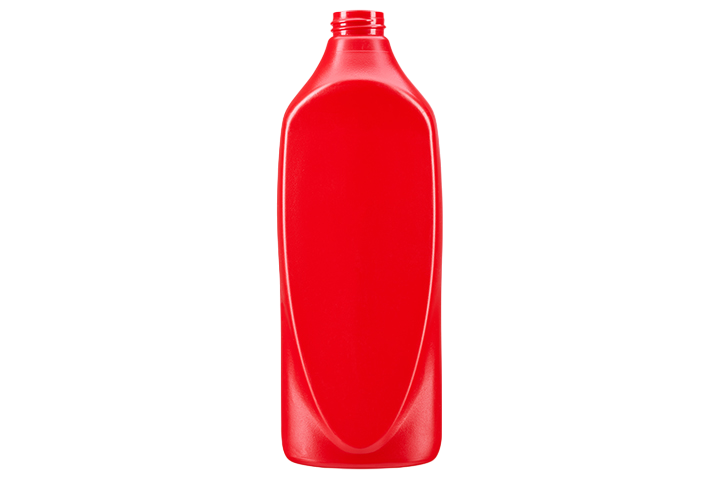
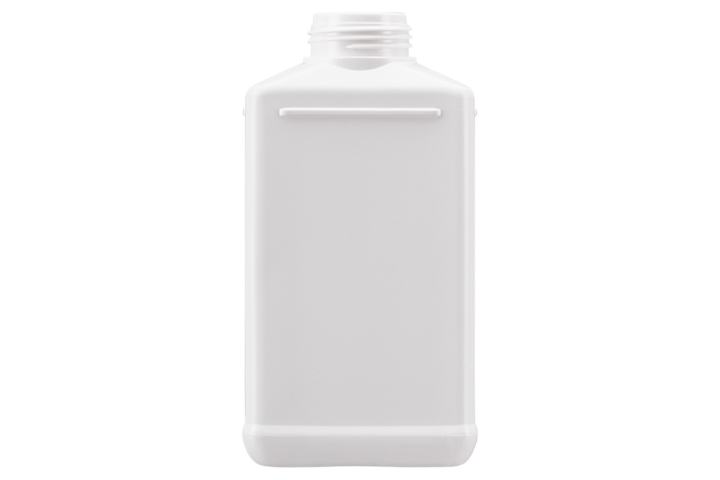
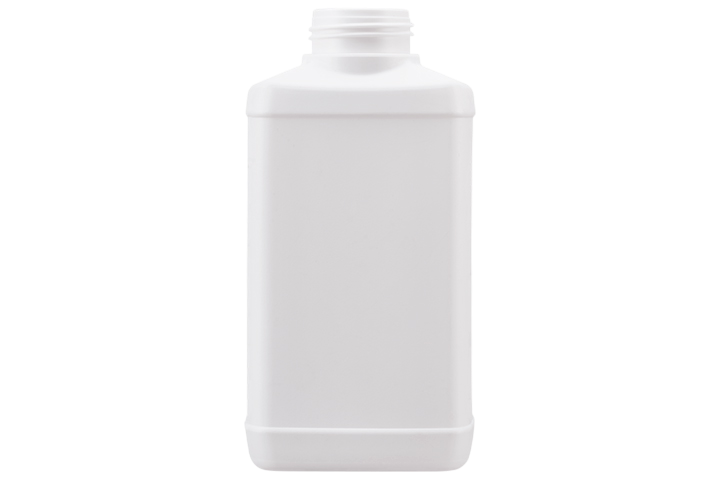
Square plastic bottles can be preferred for various liquid food products because of their flat surfaces and body designs that are suitable for efficient shelf use.
The product range includes the following square bottles:
- 500 ml Wholesale Square Food Bottle
- 1 L Square Plastic Bottle for Food Products
- 1 L New Square Plastic Bottle for Food Products
The angular body can help labels be applied more smoothly. When the bottles are placed side by side, shelf and carton space can also be used more efficiently.
500 ml square bottles can be considered for small- and medium-volume products. 1-litre models can be used for liquid food products sold in larger quantities.
Two square bottles with the same capacity may still have different body dimensions and label areas. Businesses using filling lines should check the bottle width, height, base dimensions and neck diameter.
Whether the food product is oily, acidic or highly viscous should also be taken into account when selecting the packaging. Compatibility between the bottle and the product to be filled should be verified through sample testing.
Plastic Food-Grade Jerrycans (5–25 L Models)
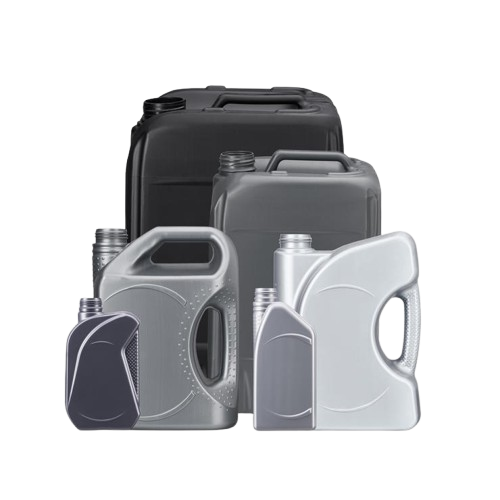
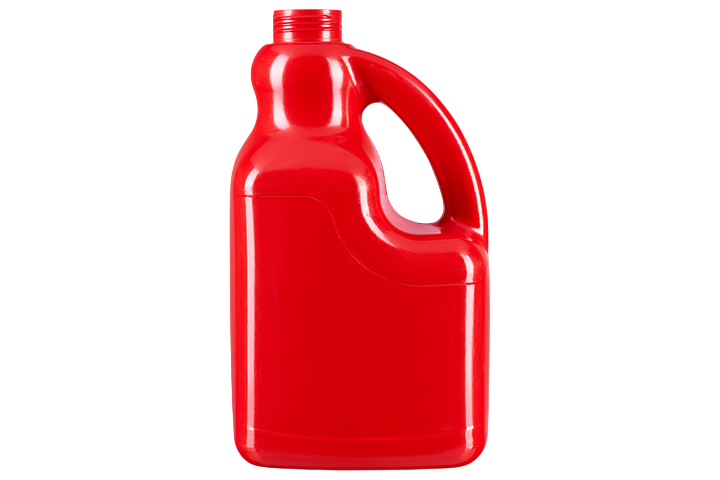
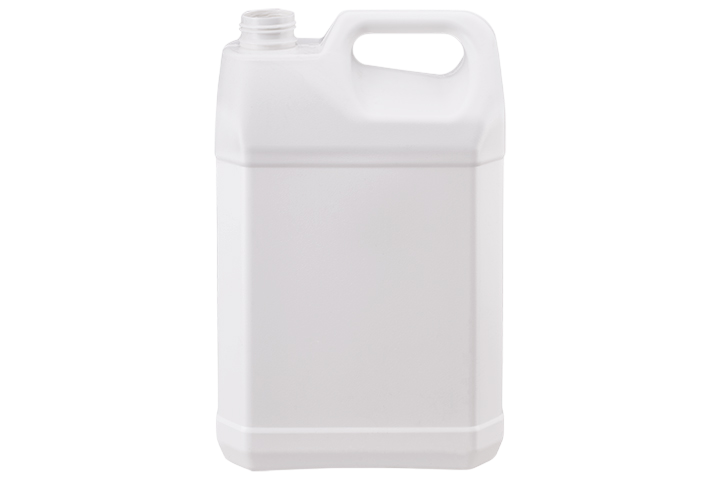
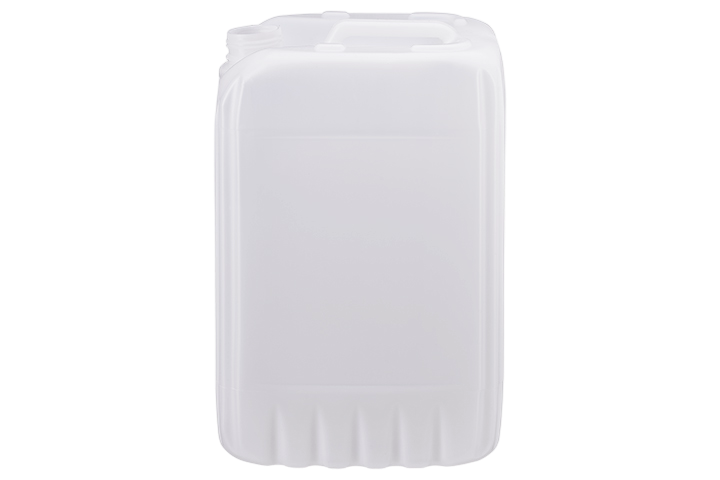
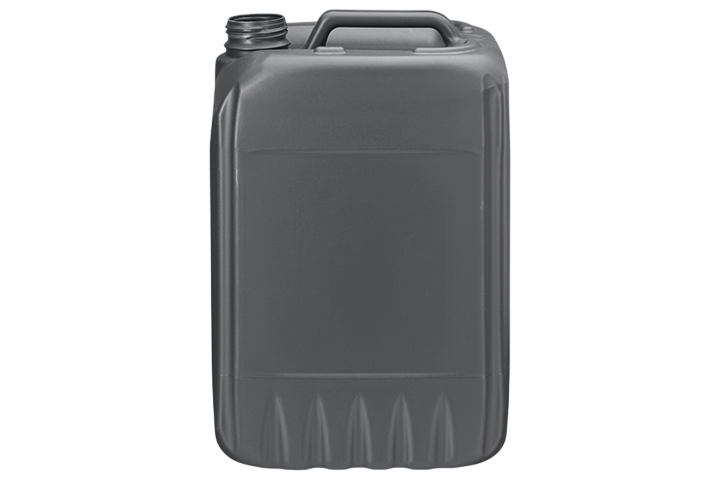
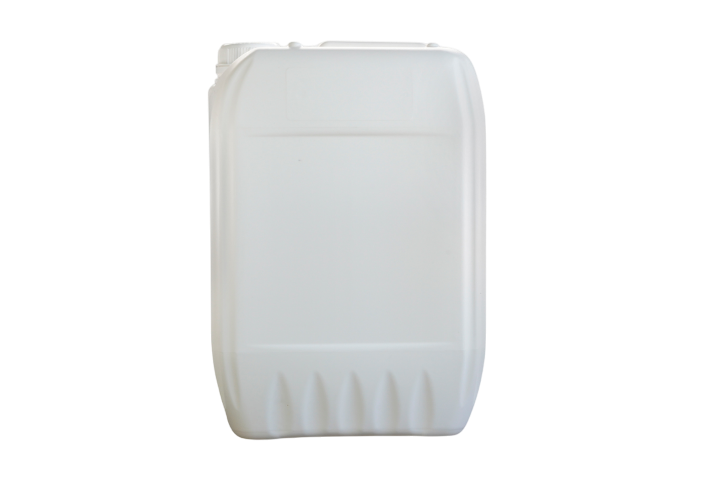
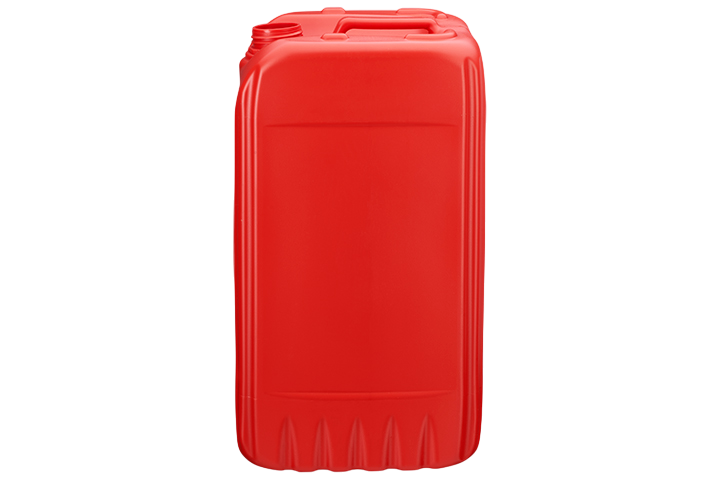
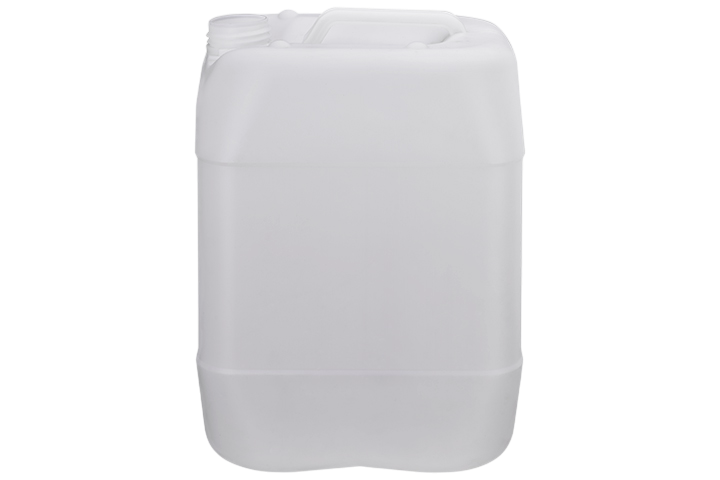
A plastic food-grade jerrycan is packaging designed for the storage and transportation of high-volume liquid food products and is generally equipped with a carrying handle.
Food manufacturers, restaurants, hotels, catering companies and industrial kitchens may prefer food-grade jerrycans for high-volume products.
The Serdar Plastik product range includes food-grade jerrycans in 5 L, 6 L, 10 L, 20 L and 25 L capacities.
When selecting a jerrycan, capacity should not be the only consideration. Handle design, body thickness, neck size, cap type, filled weight and pallet arrangement should all be evaluated together.
Some jerrycan model names used in the industry have the following meanings:
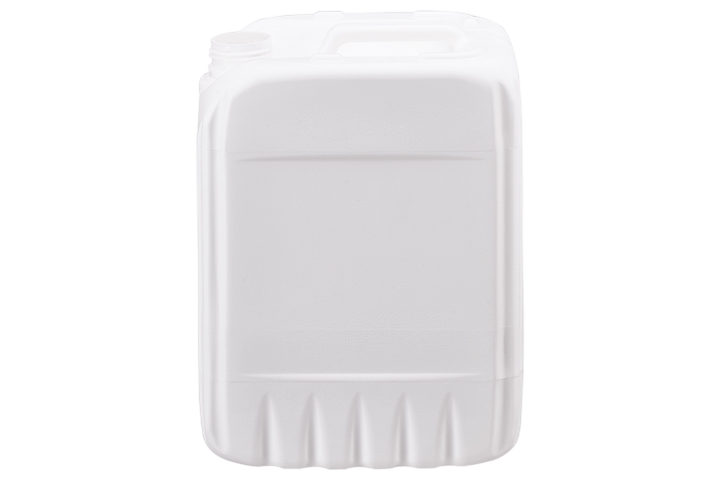
- Tower-type jerrycan: A straight-sided jerrycan model suitable for stacking.
- Novice jerrycan: A compact-bodied plastic jerrycan model known in the industry by this name.
- Bag-style jerrycan: A handled jerrycan model with an integrated carrying area in the body.
- Wide-body jerrycan: A jerrycan model with a broader and fuller body.
- Stackable jerrycan: A jerrycan with a body design suitable for orderly stacking on pallets.
Tower-type food-grade jerrycans can help make more efficient use of space during packing and palletisation. However, when determining stacking height, the filled weight of the jerrycan and the storage period should be taken into account.
5 L Food-Grade Jerrycan Models
5 L food-grade jerrycans can be used for transporting and storing medium-volume liquid food products.
The Serdar Plastik product range includes the following models:
- 5 L Novice Jerrycan for Food Products
- 5 L Tower-Type Jerrycan for Food Products
The Novice jerrycan has a more compact body. The tower-type jerrycan, on the other hand, can be preferred for stacking and palletisation thanks to its straight-sided design.
The most suitable model should be determined according to the product’s filling method, shipping arrangement and the customer’s intended use.
The neck size of the jerrycan must be fully compatible with the cap to be used. A leak test should be carried out after the cap has been closed.
If the food product needs to be poured directly from the jerrycan, the neck design and grip angle are important from a usability perspective. The jerrycan should be easy to carry when full and should allow controlled pouring.
6 L and 10 L Tower-Type Food-Grade Jerrycans
6 L and 10 L tower-type food-grade jerrycans can be considered for liquid food products used in larger quantities.
The product range includes the following models:
- 6 L Tower-Type Plastic Jerrycan for Food Products
- 10 L Tower-Type Jerrycan for Food Products
As the filled weight increases at these capacities, handle strength becomes more important. The handle should not flex excessively during carrying or detach from its connection to the body.
The tower-type body can provide a more orderly arrangement on pallets. However, if the jerrycans will be stacked, the body should be checked for stacking strength.
After filling, the cap should be fully closed and the jerrycan should be checked for leakage before transportation. Cap torque that is too low may cause leakage, while excessive torque may damage the cap or neck finish.
20 L and 25 L Plastic Food-Grade Jerrycans
20 L and 25 L food-grade jerrycans can be preferred for liquid food products used on an industrial scale.
The Serdar Plastik product range includes the following models:
- 20 L Tower-Type Plastic Jerrycan for Food Products
- 20 L Wholesale Wide-Body Plastic Jerrycan
- 25 L Tower-Type Jerrycan for Food Products
Although the 20 L tower-type jerrycan and the 20 L wide-body jerrycan have the same capacity, their body designs are different. The tower-type model may have a straighter, more stackable structure, while the wide-body model may require a different handling and storage arrangement because of its broader body.
At capacities of 20 litres and above, the filled weight increases considerably. Therefore, the handle, base and body of the jerrycan must be suitable for the intended handling and transportation conditions.
For long-distance shipping, the arrangement and securing of the jerrycans on the pallet should be checked. Movement of the jerrycans on the pallet may cause the bodies to press against one another.
The characteristics of the food product to be filled into the jerrycan should also be considered. For oily, acidic products or products containing various additives, packaging compatibility should be tested using actual product samples.
Wholesale Food Packaging Prices
Wholesale food packaging prices vary depending on the capacity of the bottle or jerrycan, body weight, material used, cap type, colour and order quantity.
Comparing prices based only on capacity can be misleading. Of two bottles with the same volume, one may have a heavier body, a different cap or a more advanced production structure.
The main factors affecting wholesale plastic food bottle prices include:
- Bottle or jerrycan capacity
- Body weight
- Single-layer or multilayer production preference
- Raw material used
- Cap type
- Bottle and cap colour
- Order quantity
- Label or printing requirements
- Need for a custom mould
- Palletisation and shipping method
- Food-contact compliance and product testing
Top-down sauce bottle prices may vary according to bottle capacity and the cap to be used. A 300 ml bottle and a 900 ml bottle do not require the same amount of raw material and do not have the same shipping capacity.
For plastic jar prices, jar capacity, body design and cap option are important. If the project requires suitability for pasteurisation, sample and testing studies should also be taken into account.
Prices for 20 L food-grade jerrycans may differ depending on the selected body design. Although a 20 L tower-type jerrycan and a 20 L wide-body jerrycan have the same capacity, their body weight, handle design and pallet arrangement may differ.
For an accurate quotation, the exact product name, order quantity, cap type, colour and information about the food product to be filled should be provided.
Product List and Capacity Table
The list below includes the bottle, jar and jerrycan models available in the Serdar Plastik food packaging category.
| Product Name |
Product Code |
Capacity |
Packaging Type |
Application |
| New Top-Down Ketchup / Mayonnaise / Sauce Bottle |
— |
365 ml |
Top-down sauce bottle |
Ketchup, mayonnaise, mustard and thick sauces |
| Top-Down Ketchup / Mayonnaise / Sauce Bottle |
— |
300 ml |
Top-down sauce bottle |
Small-volume ketchup, mayonnaise and sauce products |
| Top-Down Ketchup / Mayonnaise / Sauce Bottle |
— |
500 ml |
Top-down sauce bottle |
Ketchup, mayonnaise, mustard and various sauce products |
| Top-Down Ketchup / Mayonnaise / Sauce Bottle |
— |
650 ml |
Top-down sauce bottle |
Medium- and high-volume sauce products |
| Top-Down Ketchup / Mayonnaise / Sauce Bottle |
— |
900 ml |
Top-down sauce bottle |
Family-size ketchup, mayonnaise and sauce products |
| Standard Ketchup / Mayonnaise / Sauce Bottle |
— |
500 ml |
Classic sauce bottle |
Ketchup, mayonnaise, mustard and salad dressings |
| Standard Ketchup / Mayonnaise / Sauce Bottle |
— |
650 ml |
Classic sauce bottle |
Ketchup, mayonnaise and sauces of different viscosities |
| Standard Ketchup / Mayonnaise / Sauce Bottle |
— |
900 ml |
Classic sauce bottle |
High-volume ketchup, mayonnaise and sauce products |
| Eldo Ketchup / Mayonnaise / Sauce Bottle |
— |
900 ml |
Eldo model classic sauce bottle |
Ketchup, mayonnaise and thick sauces |
| Wholesale Sauce Bottle |
1 040 041 |
4 L |
Large-capacity plastic sauce bottle |
Restaurants, hotels, cafeterias and industrial kitchen products |
| New Ketchup / Mayonnaise / Sauce Bottle |
1 400 145 |
850 ml |
Plastic sauce bottle |
Ketchup, mayonnaise and various sauce products |
| Square Jar – Suitable for Pasteurisation |
1 402 030 |
2 L |
Wide-mouth plastic jar |
Pasteurised food products, depending on product and filling conditions |
| Round Plastic Bottle for Food Products |
— |
50 ml |
Small-volume round bottle |
Samples, portion-size products and low-volume liquid food products |
| Square Jar – Suitable for Pasteurisation |
1 050 110 |
5 L |
Large-capacity plastic jar |
Food-service applications and pasteurised food products with verified suitability |
| Round Plastic Bottle for Food Products |
— |
100 ml |
Round plastic bottle |
Low-volume liquid food and sample products |
| Round Plastic Bottle for Food Products |
— |
200 ml |
Round plastic bottle |
Liquid food and portion-size products |
| Round Plastic Bottle for Food Products |
— |
250 ml |
Round plastic bottle |
Small-volume liquid food products |
| Wholesale Square Food Bottle |
— |
500 ml |
Square plastic bottle |
Liquid food products with verified packaging compatibility |
| Square Plastic Bottle for Food Products |
— |
1 L |
Square plastic food bottle |
Medium-volume liquid food products |
| New Square Plastic Bottle for Food Products |
— |
1 L |
New-model square food bottle |
Liquid food and sauce products |
| Novice Jerrycan for Food Products |
1 050 068 |
5 L |
Compact-bodied plastic food-grade jerrycan |
Medium-volume liquid food products |
| Tower-Type Jerrycan for Food Products |
1 050 098 |
5 L |
Stackable plastic food-grade jerrycan |
Liquid food products and food-service packaging |
| Tower-Type Plastic Jerrycan for Food Products |
— |
6 L |
Stackable plastic jerrycan |
Liquid food products used in larger quantities |
| Tower-Type Jerrycan for Food Products |
1 100 018 |
10 L |
Stackable handled food-grade jerrycan |
Industrial kitchen and food-service products |
| Tower-Type Plastic Jerrycan for Food Products |
1 200 160 |
20 L |
Large-capacity, stackable food-grade jerrycan |
Industrial food production and high-volume liquid products |
| Tower-Type Jerrycan for Food Products |
1 200 064 |
25 L |
Large-capacity plastic food-grade jerrycan |
Liquid food products used on an industrial scale |
| Wholesale Wide-Body Plastic Jerrycan |
— |
20 L |
Wide-body plastic food-grade jerrycan |
High-volume liquid food and food-service products |
These applications are provided for general information only. The suitability of a bottle, jar or jerrycan for the food product to be filled should be verified through sample filling and storage tests.
Material Selection for Food Packaging
PE, HDPE, PP and multilayer production structures can be used in food packaging. Material selection should be based on the product composition, shelf life and filling conditions.
PE and HDPE are plastics commonly used in the production of bottles and jerrycans. PP can be used in certain bottles, jars, caps and auxiliary components.
Multilayer production may be preferred for some food packaging applications. Depending on the product requirements, a multilayer structure can provide different barrier properties.
However, the material name alone should not be used as the basis for a decision. The same plastic may perform differently with different product formulations.
Especially for oily, acidic, hot-filled or long-shelf-life food products, the packaging should be tested together with the actual product.
The following points can be checked during testing:
- Whether the bottle swells or softens
- Whether the body retains its shape after filling
- Whether there is any leakage from the cap
- Whether there is any change in the colour or odour of the product
- Whether the bottle remains durable during transportation
- Whether the cap connection loosens
- Whether the body or base deforms during the storage period
Filling Temperature and Pasteurisation
When selecting food packaging, the filling temperature must always be specified. The same packaging may not be suitable for both cold-filled and hot-filled products.
When a hot product is filled, the plastic body may soften or change shape. During cooling, a pressure difference may develop inside the package.
For products that will undergo pasteurisation, the process temperature, holding time and cooling method should be evaluated together.
A package being described as “suitable for pasteurisation” does not mean it can be used at every temperature and with every product without verification. It should be tested under the actual production conditions of the product.
The following information should be provided during sample testing:
- Product filling temperature
- Pasteurisation temperature
- Process duration
- Product pH value
- Product fat and acid content
- Cooling method
- Target shelf life
- Storage temperature
This information helps ensure more accurate selection of the packaging and cap.
Cap and Leak-Tightness Control
For food bottles, the cap is one of the most important parts of the packaging. If an unsuitable cap is used, the product may leak, allow air to enter or open during transportation.
For sauce bottles, caps that provide controlled dispensing may be preferred. In top-down bottles, the cap also serves as the base on which the bottle stands.
For jars, the cap must be compatible with the wide-mouth opening. For hot-filled or pasteurised products, the cap and jar should be tested together.
For jerrycan caps, gasket and tamper-evident features may be considered. With high-volume products, even a small leak can cause serious problems during transportation.
In facilities using cap-tightening machines, the closing torque should be adjusted correctly. A cap that is too loose may leak, while a cap that is overtightened may damage the neck finish.
Food Packaging Control from Filling to Shipping
Food packaging does more than simply contain the product. It should also perform reliably during filling, capping, labelling, packing, storage and transportation.
Even a small dimensional difference in the bottle neck can prevent the cap from closing properly. Bottles with an uneven base may tip over on the filling line.
Packaging produced with insufficient material may collapse inward after filling. Packaging that is unnecessarily heavy, on the other hand, may increase costs.
For sauce bottles, squeezability and the ability of the body to return to its original shape are important. For jars, neck and cap compatibility is a key consideration. For jerrycans, handle strength and stacking resistance should also be checked.
For 20 L and 25 L jerrycans, palletisation is especially important because of the higher filled weight. If the jerrycans are stacked, the bodies of the lower containers should not collapse under the load.
Temperature changes during long-distance transportation can also affect the packaging. Products should be secured inside the vehicle and pallets should be wrapped appropriately.
Serdar Plastik’s Production and Quality Approach
Serdar Plastik has been manufacturing plastic packaging since 1985. The company has production facilities in Tuzla, Dilovası, Susurluk and Hatay.
The company supplies different packaging solutions to the cleaning, chemical, food, cosmetics, agriculture and lubricant industries.
Its production range includes polyethylene and polypropylene packaging options from 50 ml up to 30 litres.
According to information provided by the company, Serdar Plastik has more than 300 employees, exports to more than 15 countries and has an annual production capacity of 17,500 tonnes.
Serdar Plastik’s certifications include ISO 9001, ISO 14001 and the FSSC 22000 Food Safety System Certification.
The scope of certificates and compliance documents may vary depending on the product and production facility. During the quotation stage, it should be confirmed whether the selected product falls within the scope of the relevant certification.
In addition to standard products, Serdar Plastik can also develop custom packaging projects. For a new product project, capacity, body weight, cap dimensions, label area, filling temperature and order quantity are evaluated together.
Sustainable Food Packaging
Reducing raw material and energy use is important in food packaging. However, when reducing packaging weight, product safety and transport durability must not be compromised.
If the packaging body weight is unnecessarily high, more raw material is used. If the body weight is too low, the bottle or jerrycan may not retain its shape during filling and transportation.
The appropriate body weight should be determined according to the product volume, filled weight, shipping distance and stacking method.
The use of recycled raw materials in food packaging should be evaluated separately in terms of food-contact requirements and legal compliance. Not every recycled material can be used in packaging that comes into direct contact with food.
For this reason, sustainable food packaging requirements should be assessed on a product- and project-specific basis.
Frequently Asked Questions
Which plastic bottle should be preferred for food products?
Bottle selection should be based on the product viscosity, filling temperature and intended method of use.
For thick products such as ketchup and mayonnaise, top-down or standard sauce bottles can be considered. For more fluid products, round or square plastic bottles may be used.
Before making a final selection, the bottle and cap should be tested together with the actual product.
What is a top-down sauce bottle?
A top-down sauce bottle is a packaging model in which the cap is positioned at the bottom, keeping the product close to the dispensing opening.
It can provide ease of use for ketchup, mayonnaise, mustard and thick sauces.
Top-down bottle options in 300 ml, 365 ml, 500 ml, 650 ml and 900 ml capacities can be considered.
Which bottle can be used for ketchup and mayonnaise?
Top-down or standard sauce bottles can be used for ketchup and mayonnaise.
300 ml and 365 ml bottles can be considered for smaller volumes, 500 ml and 650 ml bottles for medium volumes, and 850 ml and 900 ml bottles for larger volumes.
The cap opening size and the squeezability of the body should be checked according to the viscosity of the product.
Are plastic food jars suitable for pasteurisation?
The Serdar Plastik product range includes 2 L and 5 L square jars specified as suitable for pasteurisation.
However, filling temperature, pasteurisation time and cooling method may vary from one product to another. Therefore, the packaging should be tested under actual production conditions.
Which products can 5 L food-grade jerrycans be used for?
5 L food-grade jerrycans can be used for liquid food products whose packaging compatibility has been verified.
Different body options are available, including Novice and tower-type models. Transportation, palletisation, cap selection and filling-line requirements should be considered when choosing the model.
Where are 20 L and 25 L food-grade jerrycans used?
20 L and 25 L food-grade jerrycans can be considered for high-volume products used by food manufacturers, restaurants, hotels, catering companies and industrial kitchens.
Compatibility between the product and the packaging, cap sealing performance and transport durability of the jerrycan should be tested.
Why do wholesale food packaging prices vary?
Food packaging prices vary according to capacity, body weight, material, cap, colour and order quantity.
Single-layer and multilayer production options can also affect the price. Special colours or custom mould requests may require additional work.
Can caps be supplied together with the bottles?
Cap options suitable for the relevant product model can be evaluated together with the bottle.
For sauce bottles, caps that provide controlled dispensing may be used; for jars, wide-mouth caps may be preferred; and for jerrycans, gasketed or tamper-evident caps may be used.
The cap and bottle should be tested together for leak-tightness.
Can food packaging be produced in custom colours?
Depending on order quantity and production conditions, different colour options can be considered.
When selecting a colour, product visibility, brand design and the need for protection from light should be taken into account.
Can a custom food bottle mould be produced?
New designs or custom mould requests can be evaluated on a project basis.
Before starting the project, the product capacity, body shape, cap dimensions, label area, filling line and estimated annual order quantity should be determined.
What is the minimum order quantity for wholesale food bottles?
The minimum order quantity may vary depending on the product model, colour, cap option and production plan.
For precise information, the exact product name, order quantity, colour, cap type and delivery address should be provided.
Request a Quote for Food Packaging
If you are looking for wholesale sauce bottles, ketchup bottles, mayonnaise bottles, plastic jars, empty plastic food bottles or 5–25 L food-grade jerrycans for your food products, you can review our product options.
When requesting a quotation, providing information about the product composition, viscosity, filling temperature, required capacity, cap type, colour and order quantity makes it easier to select the most suitable packaging.