Wholesale Lubricant Packaging: Oil Bottles and Plastic Jerrycans
When selecting packaging for lubricants, appearance alone is not enough. The packaging must be suitable for the product to be filled, the cap must close properly, the container must retain its shape during transportation, and it should allow the product to be poured easily during use.
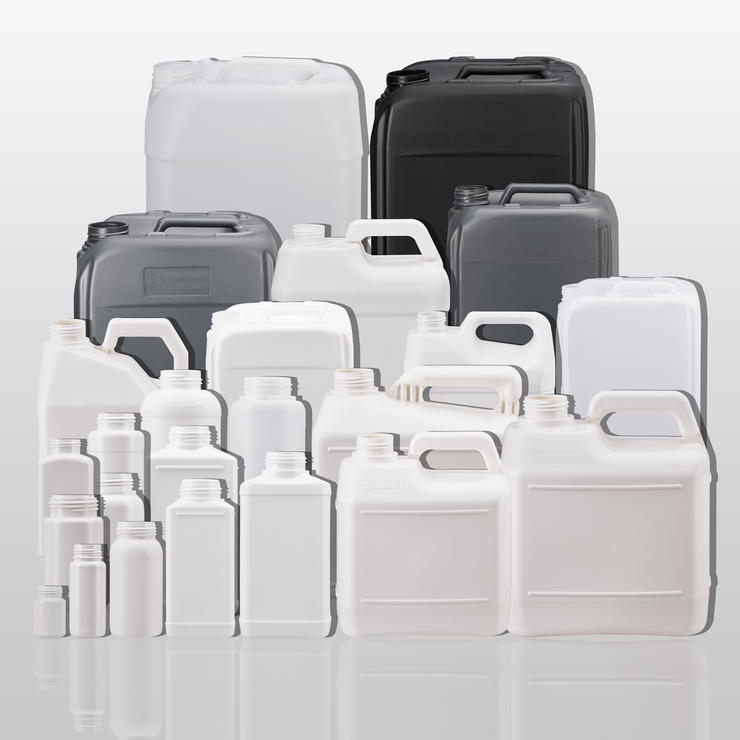
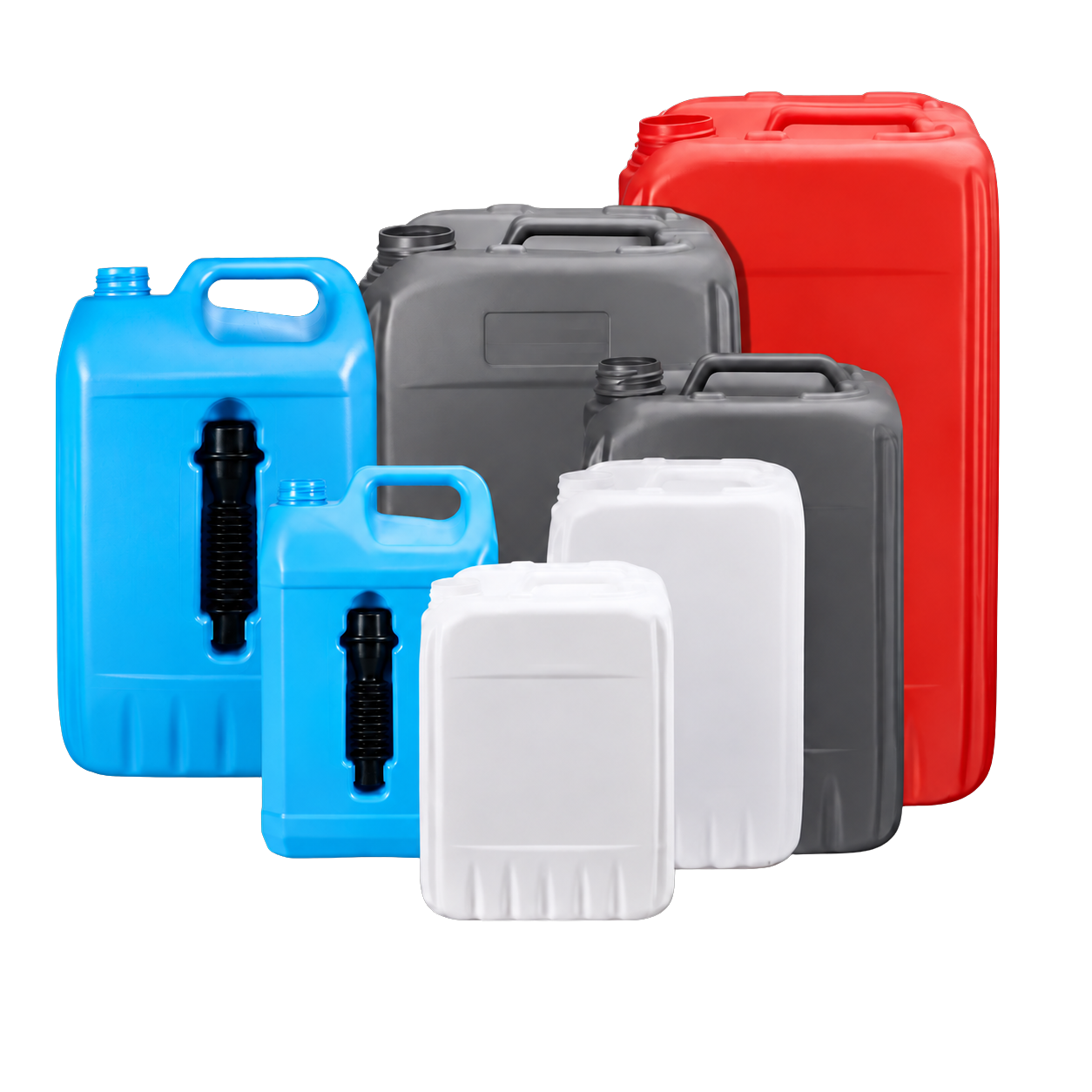
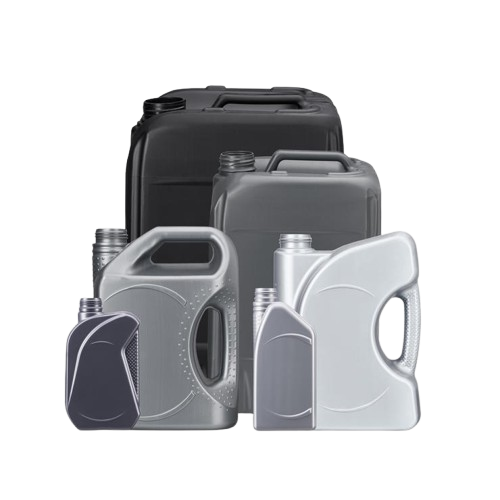
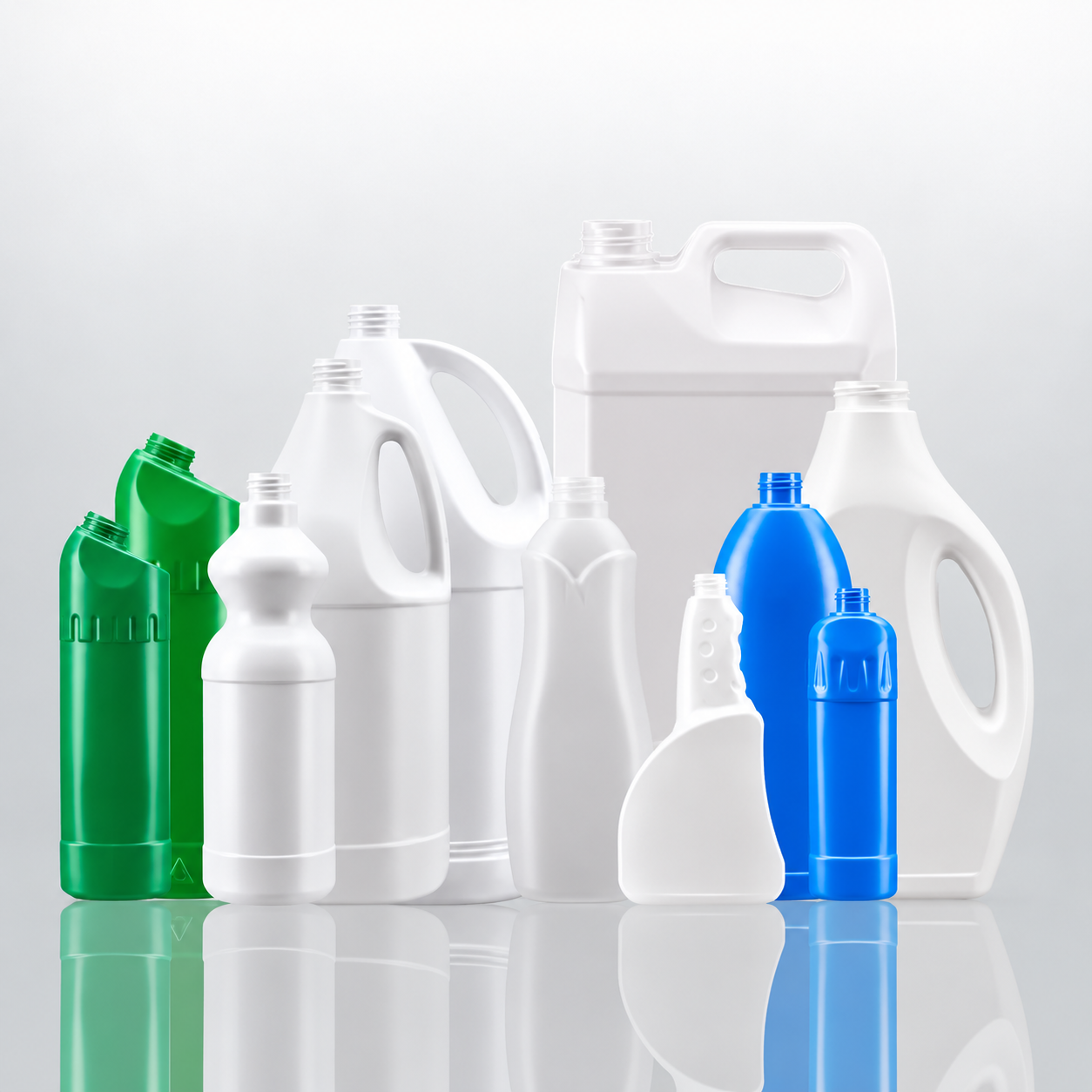
At Serdar Plastik, we manufacture plastic packaging in various capacities for engine oil, hydraulic oil and different automotive fluids. Our product range includes 500 ml and 1 L lubricant bottles, 3 L, 4 L and 7 L models, as well as 5 L, 6 L, 10 L, 20 L and 25 L plastic jerrycans.
Not every oil has the same application or filling method. A small retail bottle of engine oil and a 20-litre product intended for service or industrial use do not require the same packaging structure. Bottle capacity, handle design, neck dimensions, cap type and shipping conditions should be evaluated together.
Before moving to mass production, sample filling is useful. This makes it possible to evaluate how the bottle performs on the filling line, whether the cap is leak-proof, whether the body retains its shape and whether the packaging is compatible with the product to be filled.
Plastic Lubricant Bottles
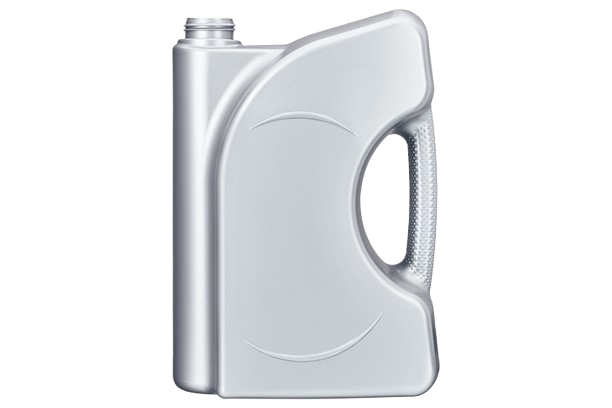
Plastic lubricant bottles are plastic packaging used for filling engine oil, hydraulic oil and various oil products. For small-volume products, easy handling and controlled pouring are important, while for larger volumes, handle and body strength become more critical.
When selecting wholesale lubricant bottles, it is not sufficient to consider only the capacity. Two bottles with the same volume may differ in body shape, height, base dimensions, neck diameter and label area.
These dimensions are even more important for companies using automatic filling lines. If the bottle height is not suitable for the machine, problems may occur during filling. A bottle with an unstable base may tip over on the line. If the neck and cap dimensions do not match, leakage may occur.
For lubricant packaging, the bottle and cap should be evaluated together. Even if the cap fits the bottle, leak-tightness and transportation checks should be carried out after filling.
500 ml and 1 L Lubricant Bottles
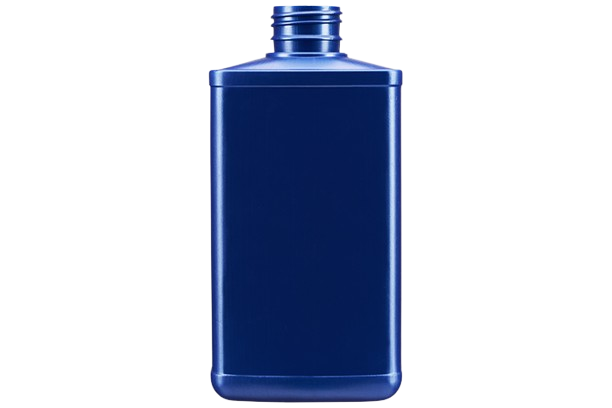
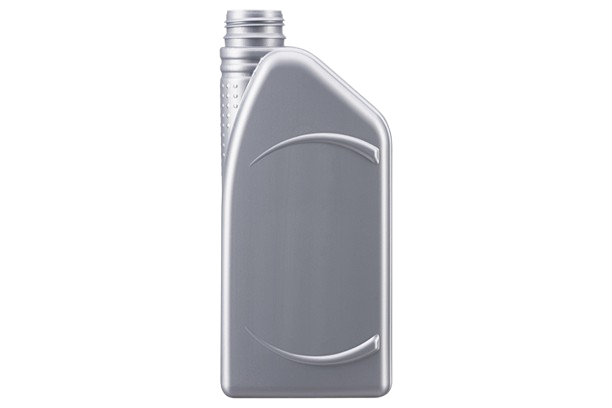
500 ml and 1 L lubricant bottles are used for small-volume automotive and maintenance products. These capacities may be preferred for retail engine oil, hydraulic fluid and similar products.
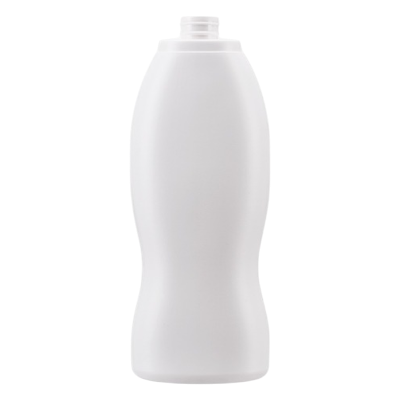
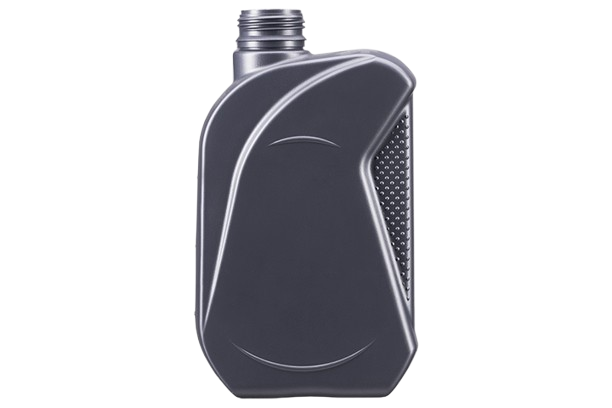
Serdar Plastik’s product range includes a 500 ml Lubricant Bottle, a 1 L Lubricant Bottle and a 1 L New Lubricant Bottle.
When choosing between the two different 1-litre models, capacity alone should not be considered. Body design, label area, shelf appearance and the filling line to be used should also be taken into account.
Controlled pouring is important for small bottles. The bottle neck and cap should be selected to prevent the oil from flowing too quickly during use.
If a label will be used, the bottle’s flat surface area should be checked in advance. For companies using automatic labelling systems, the bottle’s position and rotation on the line can also be tested using samples.
3 L and 4 L Lubricant Bottles
3 L and 4 L lubricant bottles can be used for engine oil and similar automotive fluids sold in larger quantities.
Serdar Plastik’s product range includes a 3 L Lubricant Bottle and a 4 L Lubricant Bottle. At these capacities, the filled bottle is heavier, so the gripping area and body design must be suitable for practical use.
If the bottle will be carried with one or two hands when full, body ergonomics become more important. If the oil needs to be poured directly into a vehicle or another container, a neck design that provides controlled flow can improve ease of use.
For the filling line, the bottle’s height, width and base dimensions should be checked. Especially on high-speed production lines, the packaging must move steadily along the conveyor.
Double-Handle Lubricant Bottles
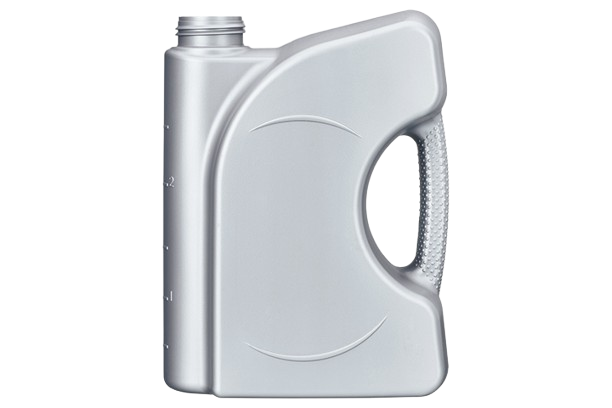
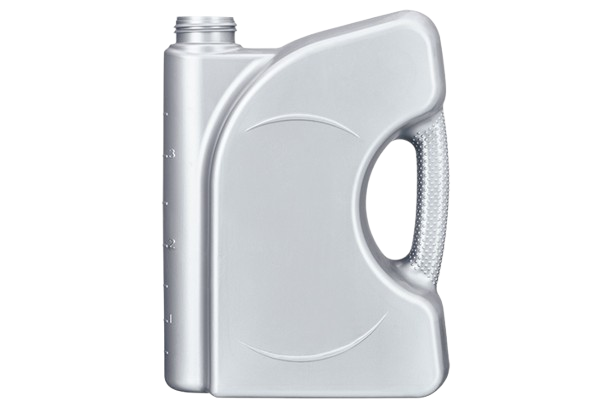
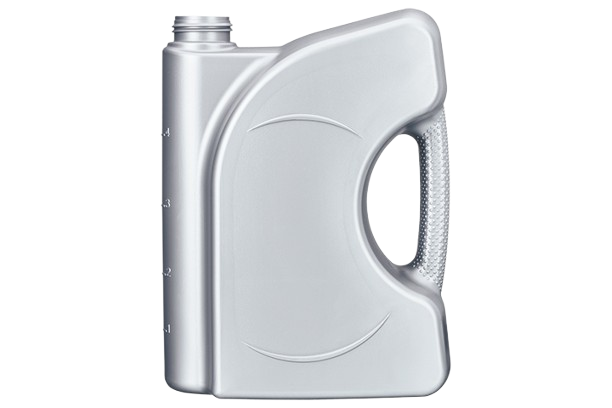
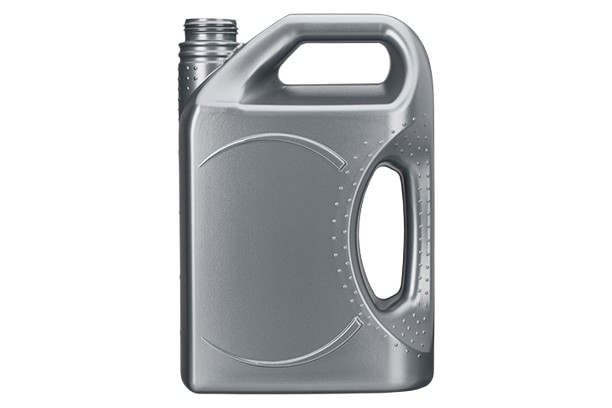
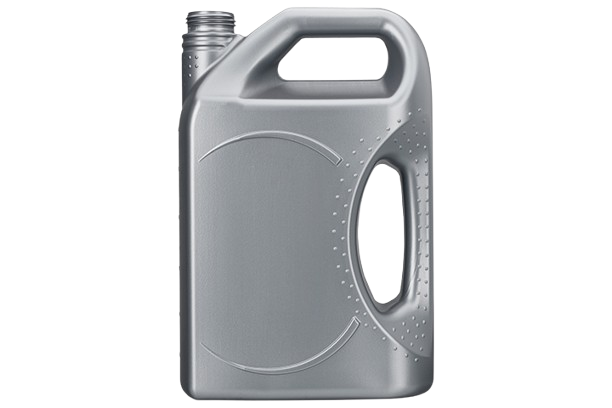
A double-handle lubricant bottle is packaging designed with a body structure that makes higher-volume oil products easier to hold and pour.
The product range includes 4 L, 5 L and 7 L double-handle lubricant bottle models.
The double-handle design provides an advantage especially when the package is full. The user can carry the bottle using one handle and support it from the other grip point to pour the product more controllably.
With this type of bottle, not only the presence of the handle but also the strength of the area where the handle joins the body is important. Since the packaging is carried while full, excessive flexing or deformation should not occur around the handle area.
Double-handle models can be considered for service centres, maintenance points and professional-use products where ease of handling is important.
Plastic Lubricant Jerrycans (5–25 L Jerrycan Models)
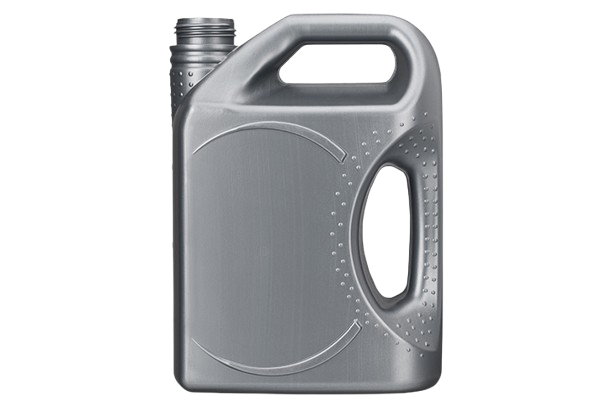
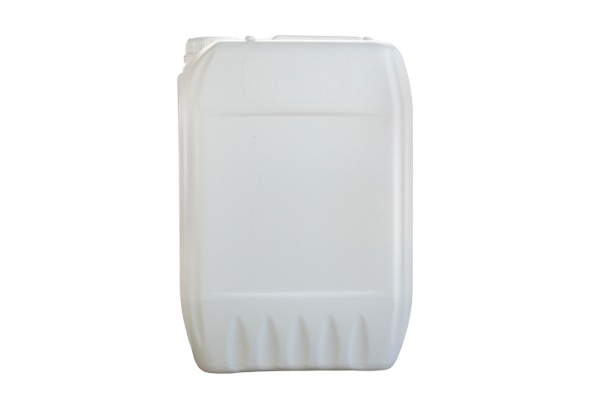
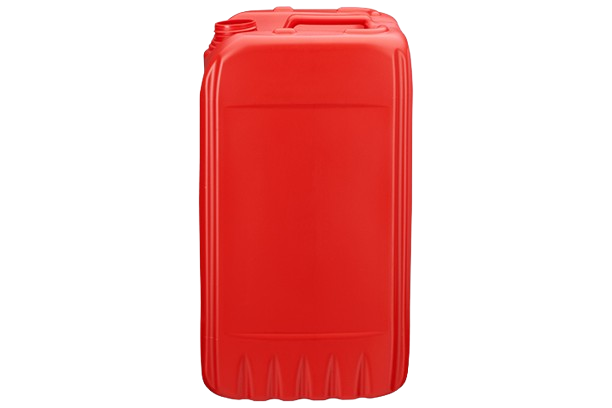
A plastic lubricant jerrycan is handled plastic packaging designed for storing, transporting and using high-volume oils and automotive fluids.
Serdar Plastik’s lubricant product range includes 5 L, 6 L, 10 L, 20 L and 25 L plastic jerrycan options.
When selecting a jerrycan, capacity alone should not be considered. Handle design, body weight, cap dimensions, neck structure, pallet arrangement and the filled weight of the packaging should all be evaluated together.
Some jerrycan model names used in the industry may be searched for in different ways. For this reason, it is clearer to describe products both by their industry name and by how they are used.
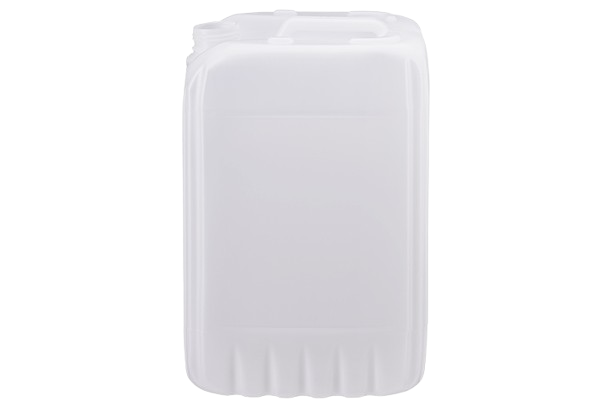
- Tower-Type Jerrycan: A straight-sided plastic jerrycan model suitable for stacking.
- Handled Jerrycan: A plastic jerrycan with an integrated carrying handle.
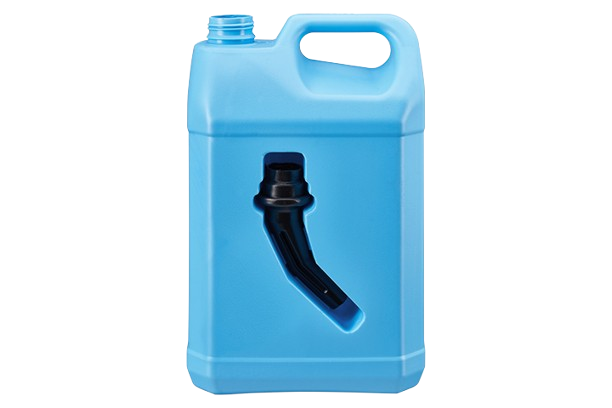
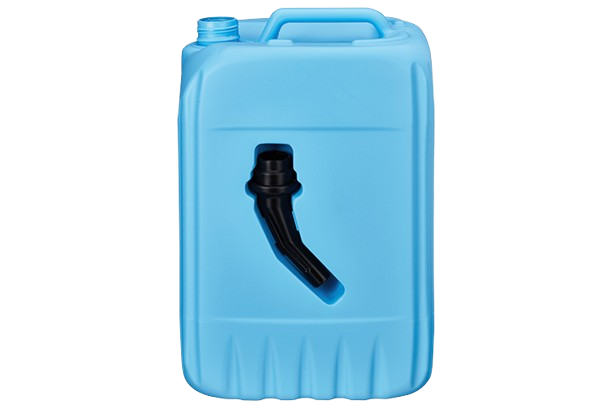
- Spouted Jerrycan: A jerrycan model with a pouring spout that helps dispense the product more controllably.
- Novice Jerrycan: A compact-body jerrycan model known in the industry by this name.
- Short Tower-Type Jerrycan: A lower-profile tower-type jerrycan model suitable for stacking and pallet use.
5 L and 6 L Plastic Lubricant Jerrycans
5 L and 6 L plastic jerrycans can be considered for medium-volume oil products used in service, maintenance and retail applications.
This capacity group includes different body options such as the 5 L Handled Plastic Jerrycan, 5 L Spouted Plastic Jerrycan and 6 L Handled Plastic Jerrycan.
Handled jerrycan models provide easier carrying, while spouted models can help discharge the product more controllably.
Even with 5-litre products, the total weight becomes significant when the packaging is full. Therefore, the handle should be comfortable to hold and securely connected to the body.
If the jerrycan is intended to be emptied directly into an engine, tank or another container, the neck design should be tested using a sample.
Spouted and Tower-Type 10 L Jerrycans
10 L plastic jerrycans may be preferred by businesses that use larger quantities of oil or automotive fluids.
Serdar Plastik’s product range includes 10 L Spouted Plastic Jerrycan and 10 L Handled Plastic Jerrycan models.
The spouted model can be considered for applications where controlled discharge is required. A handled or tower-type body provides different advantages for carrying and palletisation.
A full 10-litre jerrycan is heavier than smaller bottles. For this reason, the carrying handle should be comfortable to hold, the body should not flex excessively and the base should remain stable.
If the jerrycans will be stacked on pallets, their stacking strength should also be checked.
20 L and 25 L Plastic Lubricant Jerrycans
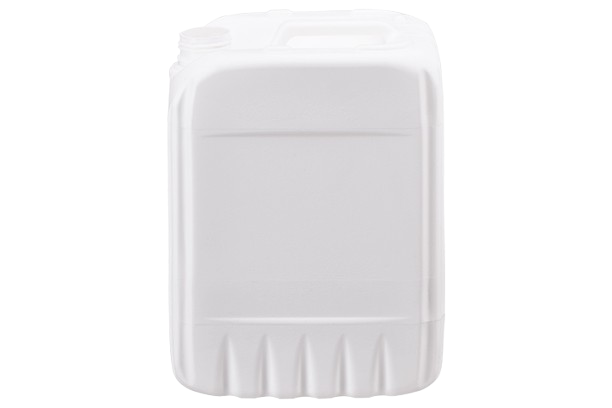
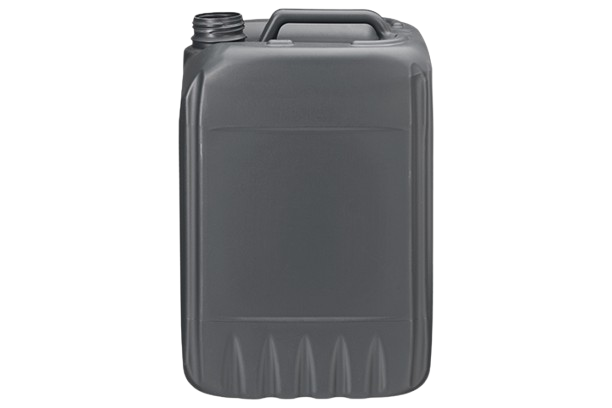
20 L and 25 L plastic lubricant jerrycans are large-capacity packaging solutions preferred for oils and industrial fluids used in high volumes.
The product range includes options such as the 20 L Handled Plastic Jerrycan, short tower-type 20 L lubricant jerrycan and 25 L Handled Plastic Jerrycan.
At these capacities, the filled weight of the packaging is considerably higher, so handle, body and base strength are more important than with smaller bottles.
Even if two 20-litre jerrycans have the same capacity, their body structures may differ. A short tower-type model and a standard handled jerrycan may occupy different amounts of pallet space and may differ in handling and stacking configuration.
For long-distance shipping, the arrangement and securing of the jerrycans on the pallet should also be evaluated. Packaging that presses against adjacent containers during transportation may deform.
Cap Selection for Lubricant Packaging
In lubricant packaging, the cap is just as important as the bottle or jerrycan. If an unsuitable cap is used, leakage may occur after filling or the product may escape around the cap during transportation.
When selecting a cap, the bottle neck dimensions, cap thread design, use of a gasket and the closing method should be evaluated together.
On production lines using automatic capping machines, tightening settings are also important. A cap that is too loose may leak. A cap that is overtightened may damage the neck or cap structure.
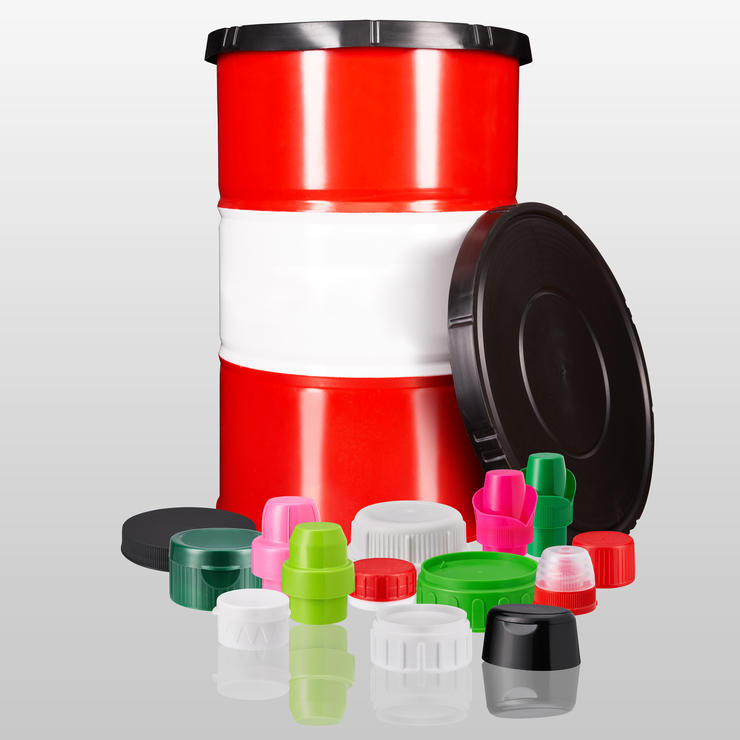
In addition to bottle and jerrycan caps, the lubricant product range also includes Ringed Drum Cap and Flat Drum Cap options.
For projects using drum caps, the cap diameter and the neck structure of the intended container should be checked in advance.
Wholesale Lubricant Bottle and Jerrycan Prices
Wholesale lubricant bottle and jerrycan prices may vary according to packaging capacity, body weight, raw material, cap design, colour and order quantity.
Comparing prices based only on litre capacity is not accurate. Of two lubricant bottles with the same capacity, one may have a heavier body, a different handle design or a larger label area.
The main factors affecting lubricant packaging prices include:
- Capacity of the bottle or jerrycan
- Body weight
- Raw material used
- Single-layer or multilayer production preference
- Handle and body design
- Cap type
- Bottle and cap colour
- Order quantity
- Label or decoration requirements
- Need for a custom mould
- Palletisation and shipping method
The price of a 1 L lubricant bottle and a 5 L lubricant jerrycan is not calculated in the same way. The amount of plastic used, production time and the number of containers that can fit on a pallet all differ.
Prices for 20 L plastic jerrycans may also vary depending on the selected model. Even if the standard handled jerrycan and the short tower-type jerrycan have the same capacity, their body structure and intended use are different.
To prepare an accurate quotation, the exact product name, order quantity, colour, cap type and information about the oil or fluid to be filled should be provided.
Product List and Capacity Table
The table below includes bottle, jerrycan and cap models available in Serdar Plastik’s lubricant packaging category.
| Product Name |
Product Code |
Capacity |
Packaging Type |
Application |
| 500 ml Lubricant Bottle |
— |
500 ml |
Plastic lubricant bottle |
Small-volume lubricants, hydraulic fluids and compatible automotive fluids |
| 1 L Lubricant Bottle |
— |
1 L |
Plastic lubricant bottle |
Engine oil, hydraulic oil and various automotive oils |
| 1 L New Lubricant Bottle |
— |
1 L |
New-model plastic lubricant bottle |
Retail engine oil and various lubricant products |
| 3 L Lubricant Bottle |
— |
3 L |
Plastic lubricant bottle |
Engine oil and medium-volume automotive fluids |
| 4 L Lubricant Bottle |
— |
4 L |
Plastic lubricant bottle |
Engine oil and high-volume maintenance products |
| 4 L Lubricant Jerrycan / Double-Handle Model |
— |
4 L |
Double-handle plastic packaging |
Lubricant products requiring controlled handling and pouring |
| 5 L Lubricant Jerrycan |
— |
5 L |
Plastic lubricant jerrycan |
Engine oil and professional maintenance products |
| 5 L Double-Handle Lubricant Bottle |
— |
5 L |
Double-handle lubricant bottle |
Oil products requiring easy handling and controlled pouring |
| 5 L Handled Plastic Jerrycan |
1 050 098 |
5 L |
Plastic jerrycan with carrying handle |
Lubricants and compatible automotive fluids |
| 5 L Spouted AdBlue Plastic Jerrycan |
1 050 142 |
5 L |
Plastic jerrycan with pouring spout |
Automotive fluids requiring controlled discharge |
| 6 L Handled Plastic Jerrycan |
1 060 011 |
6 L |
Plastic jerrycan with carrying handle |
Lubricants and professional automotive products |
| 7 L Lubricant Jerrycan |
— |
7 L |
Plastic lubricant jerrycan |
High-volume engine oil and maintenance products |
| 7 L Double-Handle Lubricant Bottle |
— |
7 L |
Double-handle plastic packaging |
High-volume oils requiring controlled handling and pouring |
| 10 L Spouted AdBlue Plastic Jerrycan |
1 100 022 |
10 L |
Plastic jerrycan with pouring spout |
Automotive fluids requiring controlled discharge |
| 10 L Handled Plastic Jerrycan |
1 100 018 |
10 L |
Plastic jerrycan with carrying handle |
Lubricants and high-volume maintenance products |
| 20 L Handled Plastic Jerrycan |
1 200 160 |
20 L |
Large-capacity plastic jerrycan |
Service, industrial use and high-volume oil products |
| 25 L Handled Plastic Jerrycan |
1 200 064 |
25 L |
Large-capacity plastic jerrycan |
Industrial lubricants and high-volume automotive fluids |
| Ringed Drum Cap |
— |
— |
Drum cap |
Closing compatible drums and industrial packaging |
| Flat Drum Cap |
— |
— |
Drum cap |
Closing compatible drums and industrial packaging |
The applications listed in the table are provided for general information purposes. The compatibility of the bottle, jerrycan or cap with the product to be filled should be verified through sample filling and storage tests.
Material Selection for Lubricant Packaging
PE, HDPE, PP and multilayer packaging structures may be used for lubricant packaging depending on product requirements. The selected material should be evaluated according to the characteristics of the oil to be filled and the conditions in which the packaging will be used.
HDPE and PE are raw materials commonly used for lubricant bottles and plastic jerrycans. PP can be used for caps and various auxiliary packaging components.
While single-layer packaging may be sufficient for some projects, multilayer production may be preferred for different product requirements.
The decision should not be based solely on the name of the plastic used. The packaging should be tested with the actual product to be filled.
The following points can be checked during sample testing:
- Whether the bottle or jerrycan swells
- Whether the body softens
- Whether leakage occurs around the cap
- Whether the packaging retains its shape after filling
- Whether the handle remains strong under the filled weight
- Whether the label surface changes shape
- Whether deformation occurs in the body or base during storage
Filling and Leak-Tightness Control
It is important for lubricant bottles to run smoothly on the filling line. Even a small dimensional difference in the bottle can cause problems on an automatic filling line.
If the bottle base is uneven, it may wobble or tip over on the conveyor. If there is a problem with the neck dimensions, the cap may not close properly.
It is also important that no oil remains on the outside surface of the packaging after filling. A leaking cap can contaminate the label and damage cartons.
Before mass production, the bottle, cap and filling machine should be tested together under the same operating conditions.
Labelling and Shelf Appearance
The label area on lubricant bottles is an important part of the product’s brand presentation. Engine oil packaging may need sufficient space for the product name, viscosity information, brand and technical descriptions.
If the label area is highly curved, large labels may wrinkle or lift at the edges.
For bottles used on automatic labelling lines, the body must rotate properly in the machine. The bottle handle or an asymmetrical body may affect the labelling machine settings.
When selecting new packaging, it is useful to compare the dimensions of the existing label with the bottle’s available label area.
Lubricant Packaging Control from Filling to Shipment
The role of lubricant packaging is not limited to simply containing the product. The bottle or jerrycan should also retain its shape during filling, capping, labelling, carton packing, palletisation, storage and shipping.
For small-volume bottles, the base and cap structure are more important, while for large-capacity jerrycans, handle and body strength become more critical.
20 L and 25 L plastic jerrycans become very heavy when full. Therefore, products stacked on pallets should not place excessive pressure on the jerrycans underneath.
For long-distance transportation, pallet arrangement, stretch wrapping and securing the load inside the vehicle should also be taken into consideration.
If the packaging collapses inward during transportation, leaks from the cap or suffers handle damage, this may result not only in the loss of the packaging but also in the loss of the product inside.
Serdar Plastik’s Experience in Lubricant Packaging Production
Serdar Plastik has been manufacturing plastic packaging since 1985. The company has production facilities in Tuzla, Dilovası, Susurluk and Hatay.
The production range includes polyethylene and polypropylene blow-moulded packaging from 50 ml to 30 litres.
Serdar Plastik has many years of experience working with the lubricant industry. The company’s history includes starting packaging production for major lubricant manufacturers in Türkiye and investing in multilayer Coex bottle technology for lubricant packaging.
According to current information shared by the company, Serdar Plastik has more than 300 specialist employees, exports to more than 15 countries and has an annual production capacity of 17,500 tonnes.
Quality control processes may include packaging tests such as Top Load, ESCR, electronic thickness measurement and drop testing. Pinhole testing for bottles on the production line is also part of the quality process.
Documents published by Serdar Plastik include ISO 9001, ISO 14001 and UN certificates for various products. Whether a specific packaging product falls within the scope of a particular certificate should be checked on a product-by-product basis.
In addition to standard products, mould and design work can also be carried out for new bottle and jerrycan projects. When developing new packaging, capacity, body weight, cap dimensions, handle design, label area and annual order quantity should be evaluated together.
Sustainable Lubricant Packaging
Reducing the amount of raw material used in lubricant packaging is important. However, lowering the weight of a bottle or jerrycan should not compromise transportation strength.
Packaging that is unnecessarily heavy uses more plastic. A body that is too lightweight may collapse inward after filling or become damaged during shipment.
The correct body weight should be determined according to the packaging capacity, product weight, shipping distance and palletisation method.
Serdar Plastik carries out work on the use of recycled raw materials and energy efficiency in its production processes. Multilayer packaging technologies can also be considered for different project requirements.
The proportion and method of using recycled raw materials may not be the same for every product. Therefore, requests should be evaluated on a product- and project-specific basis.
Frequently Asked Questions
Which plastic bottle should be preferred for engine oil?
Engine oil bottle selection should be based on product capacity, method of use and sales channel.
For small-volume products, 500 ml or 1 L Lubricant Bottles can be used. For larger-volume products, 3 L, 4 L, 5 L or 7 L models may be considered.
Before making the final selection, sample filling with the bottle, cap and actual product is recommended.
What is the difference between the 1 L lubricant bottle and the new 1 L model?
Both products have a 1-litre capacity, but their body designs and dimensions are different.
When selecting a model, the label area, shelf appearance, filling line and cap to be used should be evaluated together.
What is a double-handle lubricant bottle used for?
Double-handle lubricant bottles can be used to make high-volume products easier to hold and pour in a controlled manner.
Especially in capacities such as 4 L, 5 L and 7 L, the second grip point can make handling easier as the packaging becomes heavier when full.
Which products can a 5 L lubricant jerrycan be used for?
5 L jerrycans can be considered for engine oil, hydraulic oil and various automotive fluids whose compatibility has been tested.
Different body options may include standard lubricant jerrycans, double-handle models, handled jerrycans and spouted jerrycans.
The selection should be made according to the product’s filling and usage method.
What is a spouted jerrycan?
A spouted jerrycan is a plastic jerrycan model with a pouring spout that helps discharge the product more controllably.
Serdar Plastik’s lubricant product range includes 5 L and 10 L spouted plastic jerrycan options.
Where are 20 L and 25 L plastic jerrycans used?
20 L and 25 L plastic jerrycans can be considered for service, production and industrial applications where large quantities of oil or automotive fluids are used.
At these capacities, the filled weight is high, so handle, base, body and palletisation strength should be checked carefully.
Why do lubricant jerrycan prices vary?
Lubricant jerrycan prices vary according to capacity, body weight, raw material, cap, colour, body structure and order quantity.
Two jerrycans with the same capacity may have different body weights or handle structures. For this reason, comparing prices based only on litre capacity may not be accurate.
How are 20 L plastic jerrycan prices determined?
When determining the price of a 20 L plastic jerrycan, the selected model, body weight, raw material, cap type, colour and order quantity are taken into account.
Because the standard 20 L Handled Plastic Jerrycan and the short tower-type 20 L jerrycan may have different production and usage characteristics, their prices may also differ.
Can caps be supplied together with bottles and jerrycans?
Cap options suitable for the product model can be considered together with the bottle or jerrycan.
When selecting a cap, not only the neck diameter but also the thread design, gasket and leak-tightness should be checked.
Can lubricant bottles be produced in custom colours?
Different colour options can be considered depending on order quantity and production conditions.
Brand identity, label design and shelf appearance can be taken into consideration when selecting the colour.
Can a custom lubricant bottle mould be produced?
New designs or custom mould requests can be evaluated on a project basis.
Before starting the project, product capacity, body shape, handle structure, neck and cap dimensions, label area and estimated order quantity should be determined.
What is the minimum order quantity for wholesale lubricant bottles?
The minimum order quantity may vary depending on the selected product, colour, cap type and production plan.
For exact information, the full product name, required quantity, colour, cap type and delivery details should be provided.
Request a Quote for Lubricant Packaging
If you are looking for wholesale lubricant bottles, double-handle oil bottles, 5 L plastic jerrycans, spouted jerrycans or 10–25 L large-capacity plastic jerrycans for your engine oil, hydraulic oil or other automotive fluids, you can review our product options.
When requesting a quotation, specifying the type of product to be filled, required capacity, cap option, colour and estimated order quantity will make it easier to select the correct packaging.